
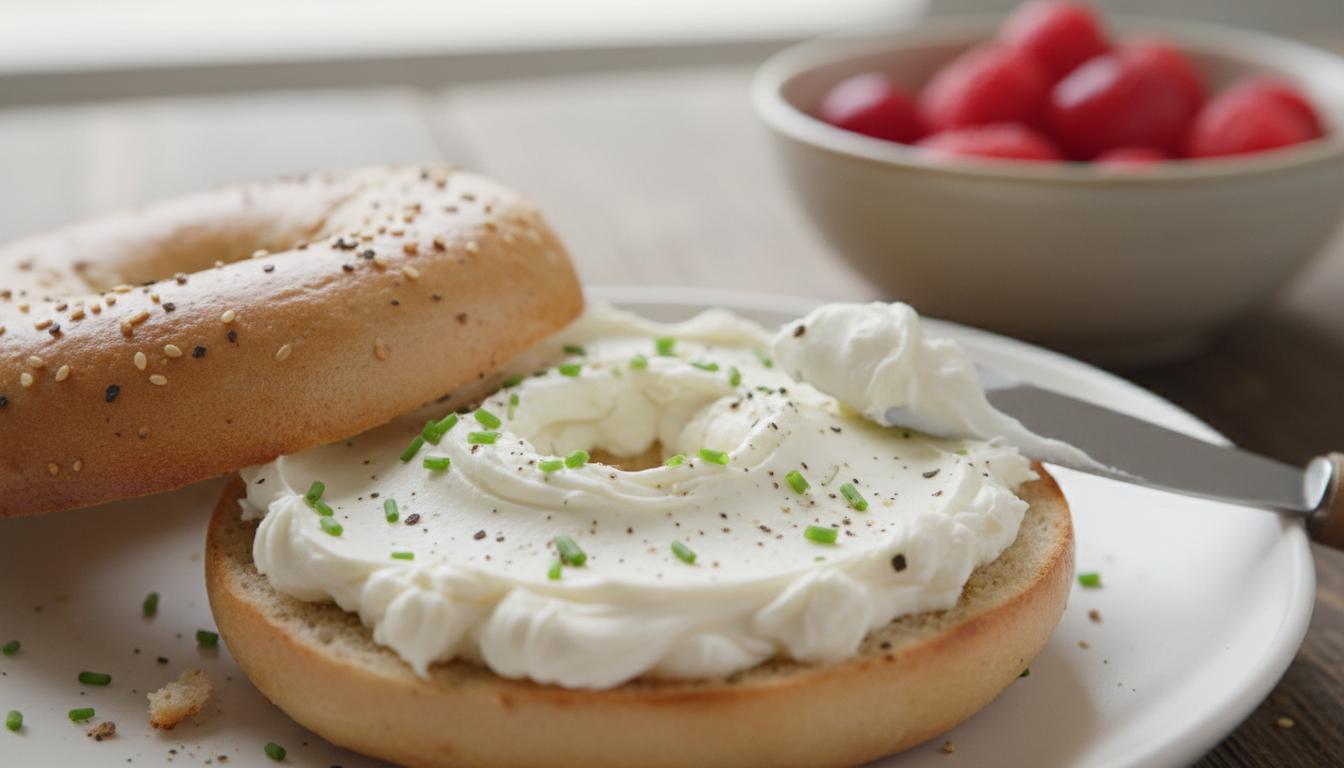
Cream cheese is the quiet hero in a lot of Kiwi kitchens. It smooths out sauces, anchors a classic cheesecake, and brings tang to a bagel or a carrot cake icing. This guide explains what cream cheese is, how it behaves in recipes, the main types you’ll find in New Zealand, and how to choose and use it well—without waste or guesswork.
What is
Cream cheese is a soft, unripened cheese made from milk and cream. It’s mild, slightly tangy, and spreadable when cool. Unlike aged cheeses, it is ready to eat as soon as it’s set, so the flavour stays fresh and gentle.
Manufacturers typically acidify pasteurised milk and cream with lactic cultures. As the acidity rises, the milk proteins form a curd. The curd is gently heated, drained, and blended until smooth. Many retail products include small amounts of stabilisers (such as guar or locust bean gum) to keep it from weeping and to make spreading easier.
Nutrition at a glance
Exact numbers vary by brand and style, but typical values per 100 g for standard cream cheese are:
- Energy: roughly 1000–1450 kJ
- Fat: about 20–35 g (mostly saturated)
- Protein: about 5–8 g
- Carbohydrate: about 3–5 g (mostly lactose)
- Sodium: about 250–400 mg
- Calcium: often 60–100 mg
Reduced‑fat and spreadable versions usually have less fat and more moisture. Plant‑based alternatives often use coconut oil or nuts, so their fat profile is different.
Availability in New Zealand
You’ll find cream cheese in most supermarkets (chilled aisle) in blocks and tubs, from global brands and supermarket house labels. Specialty stores and farmers’ markets sometimes stock small‑batch versions. Food service packs are common for cafes and bakeries. Always keep it chilled during the trip home.
How it works
Why cream cheese behaves the way it does
Cream cheese is a water‑in‑fat emulsion held together by milk proteins and acidity. That structure gives it body and shine, but it can split if overheated or thinned too quickly. Understanding this helps you prevent grainy sauces or curdled dips.
- Heat: Gentle heat is crucial. High heat can cause the emulsion to break.
- Acidity: It’s already tangy. Adding sharp acids (lemon, vinegar) can push it over the edge and make it gritty unless you balance with fat or starch.
- Moisture: Spreadable tubs contain more water, so they melt sooner and can thin a sauce faster than block cream cheese.
- Starch and sugar: A little cornflour in savoury sauces, or icing sugar in frostings, helps stabilise the mixture.
In baking
For cheesecakes and frostings, temperature and mixing are everything. Room‑temperature blocks blend smoothly. Over‑beating traps air and can cause cracks in baked cheesecakes or a runny frosting if the kitchen is warm.
Food safety and storage
- Refrigerate at 0–4°C. Keep sealed to avoid drying out and absorbing odours.
- Once opened, use within about 7–10 days. Follow the “use by” date.
- Freezing changes texture (it becomes crumbly). It’s fine for cooked dishes after thawing, less ideal for spreading.
- As with other soft cheeses, people at higher risk of listeria (including pregnant people) should avoid eating cream cheese cold unless it’s pasteurised and handled safely; heating until steaming hot makes it safer.
Types / examples
Main styles you’ll see
- Block cream cheese: Firm, dense, and best for baking (cheesecakes, slices, frosting). Holds structure.
- Spreadable/tub: Softer and ready to spread. Good for dips, bagels, and quick sauces.
- Light/reduced‑fat: Lower fat, higher moisture. Fresher tang, but can turn gummy when heated.
- Flavoured: Chive, herb, garlic, salmon, sweet blends. Handy for instant dips and sandwiches.
- Lactose‑free: Enzyme‑treated to reduce lactose. Similar taste and performance to standard types.
- Plant‑based “cream cheese” alternatives: Usually nut‑ or oil‑based. Useful for vegan or dairy‑free diets, though behaviour in baking can differ.
Quick comparison
| Type | Texture & flavour | Typical fat (per 100 g) | Best for | Heat stability | Notes |
|---|---|---|---|---|---|
| Block cream cheese | Dense, smooth, mildly tangy | ~28–35 g | Cheesecakes, frosting, piping, firm dips | Good with gentle heat | Softens well at room temp; least likely to thin out |
| Spreadable/tub | Softer, slightly lighter | ~20–30 g | Bagels, quick sauces, cold dips | Moderate; can loosen sauces | Often includes stabilisers and more moisture |
| Light/reduced‑fat | Lean, sharper tang | ~10–17 g | Lighter dips, sandwiches, some frostings | Lower; may go grainy | Add starch for sauces; mix with some full‑fat for baking |
| Lactose‑free | Similar to standard | Similar to base style | All uses, for lactose‑sensitive eaters | Similar to standard | Check label for “lactose‑free” or “enzyme‑treated” |
| Plant‑based alternatives | Varies; can be coconut‑rich or nutty | ~15–30 g (type‑dependent) | Vegan dips, spreading, some no‑bake desserts | Varies widely | Read labels; baking performance differs |
Pros and cons
Pros
- Versatile: works in sweet and savoury dishes.
- Texture: adds body and a silky finish to sauces and dips.
- Flavour: mild tang that doesn’t dominate other ingredients.
- Convenience: no ageing; long fridge life unopened.
- Availability: easy to find across New Zealand supermarkets.
Cons
- High in saturated fat and kilojoules (standard versions).
- Can split if overheated or diluted too quickly.
- Reduced‑fat styles may taste thinner and set poorly in baking.
- Not suitable for people with dairy allergy; lactose can be an issue unless specified lactose‑free.
- Freezing affects texture.
How to use or choose
Choosing cream cheese at the shop
- Purpose first: pick block cream cheese for baking and frosting; tubs for spreading and dips.
- Read the label: fewer additives mean a cleaner flavour; stabilisers are fine if you want extra spreadability.
- Fat content: full‑fat for structure and richness; light for everyday spreading or mixed into dips.
- Dates and storage: choose the longest “use by” if you won’t use it right away. Keep it chilled end‑to‑end.
- Price check: compare by unit price per 100 g. Multi‑packs can be handy if you bake often.
Step‑by‑step: make a silky cheesecake batter
- Bring block cream cheese to room temperature (about 30–60 minutes, still wrapped).
- Beat the cream cheese alone until completely smooth, scraping the bowl.
- Add sugar gradually and beat until glossy; this helps dissolve crystals.
- Mix in eggs one at a time on low speed to avoid excess air.
- Add sour cream or cream last, mixing just to combine.
- Bake low and slow; use a water bath for even heat. Cool fully before chilling.
Step‑by‑step: quick hot‑smoked salmon and chive dip
- In a bowl, soften 250 g cream cheese until stirrable.
- Fold in 120 g flaked hot‑smoked salmon, 2 tbsp chopped chives, 1 tsp lemon zest, and black pepper.
- Loosen with 1–2 tbsp milk or yoghurt if needed. Taste and add a pinch of salt.
- Chill 30 minutes. Serve with crackers or toasted rye.
Cooking tips that save dishes
- Prevent splitting: take the pan off the heat and whisk in small cubes of cream cheese. Return to low heat only if needed.
- Stabilise sauces: a teaspoon of cornflour mixed with cold milk can keep a sauce smooth.
- Frosting that holds: use block cream cheese, cold. Beat briefly with sifted icing sugar; don’t overwork.
- Savoury hits: stir into mashed potatoes, enrich pumpkin soup, spread on bagels with smoked fish, or add to sushi rolls for a creamy counterpoint.
- Baking swaps: mascarpone is richer and less tangy; ricotta is grainier. Adjust sugar and liquids if substituting.
Storage and handling
- Fridge: keep sealed; store on a cold shelf, not the door.
- Opened packs: press baking paper onto the surface before re‑sealing to reduce drying.
- Freezing: freeze unopened blocks or well‑wrapped portions for up to 2 months. Thaw in the fridge and use in cooked dishes.
- Signs to bin: sour smell beyond its usual tang, mould, or a watery, separated pool that won’t stir back in.
FAQ
What is the difference between cream cheese and mascarpone?
Mascarpone is richer and sweeter, made with cream and a milder acid set. Cream cheese is tangier and firmer. For cheesecakes, mascarpone gives a silkier texture; cream cheese gives more structure and tang.
Can I freeze cream cheese?
Yes, but the texture becomes crumbly after thawing. It’s best for cooked dishes like sauces, bakes, or casseroles—not for smooth spreading or frosting.
Is cream cheese safe in pregnancy?
Use pasteurised cream cheese and keep it chilled. Avoid eating it cold in high‑risk settings (like buffets) and consider heating until steaming hot for added safety. Always follow current New Zealand food safety guidance.
Does cream cheese contain gluten?
Plain cream cheese is typically gluten‑free. Flavoured products can include gluten in seasonings, so check labels.
How long does cream cheese last once opened?
Generally about 7–10 days in the fridge if handled cleanly and kept sealed. If it smells off or shows mould, discard it.
Can people with lactose intolerance eat cream cheese?
Some can tolerate small amounts, but it still contains lactose unless labelled lactose‑free. Lactose‑free versions are widely available.
Why did my sauce go grainy after adding cream cheese?
It likely overheated or was thinned too fast. Remove from heat, whisk in small pieces, and add a little starch or cream first to buffer the emulsion.
Which cream cheese is best for carrot cake icing?
Use a cold block cream cheese for structure. Beat briefly with icing sugar and cold butter; chill as needed to firm up before spreading.
Can I make cream cheese at home?
You can make a simple version by draining cultured yoghurt or by acid‑setting warm milk and cream, then straining until smooth. The flavour and texture will differ from commercial blocks but work well in spreads and dips.
What’s the best way to soften cream cheese quickly?
Cut a block into small cubes and leave at room temperature for 20–30 minutes. In a pinch, microwave in 10‑second bursts on low power, turning often, until just soft—don’t melt it.