
The word “femboy” pops up in fashion, gaming chats, and social posts, but it’s often misunderstood. This guide explains what the term means, how people use it, and how to navigate style, safety, and respect in Aotearoa New Zealand. You’ll find plain-language answers, practical tips, and a quick comparison table to help you sort out similar terms.
What is
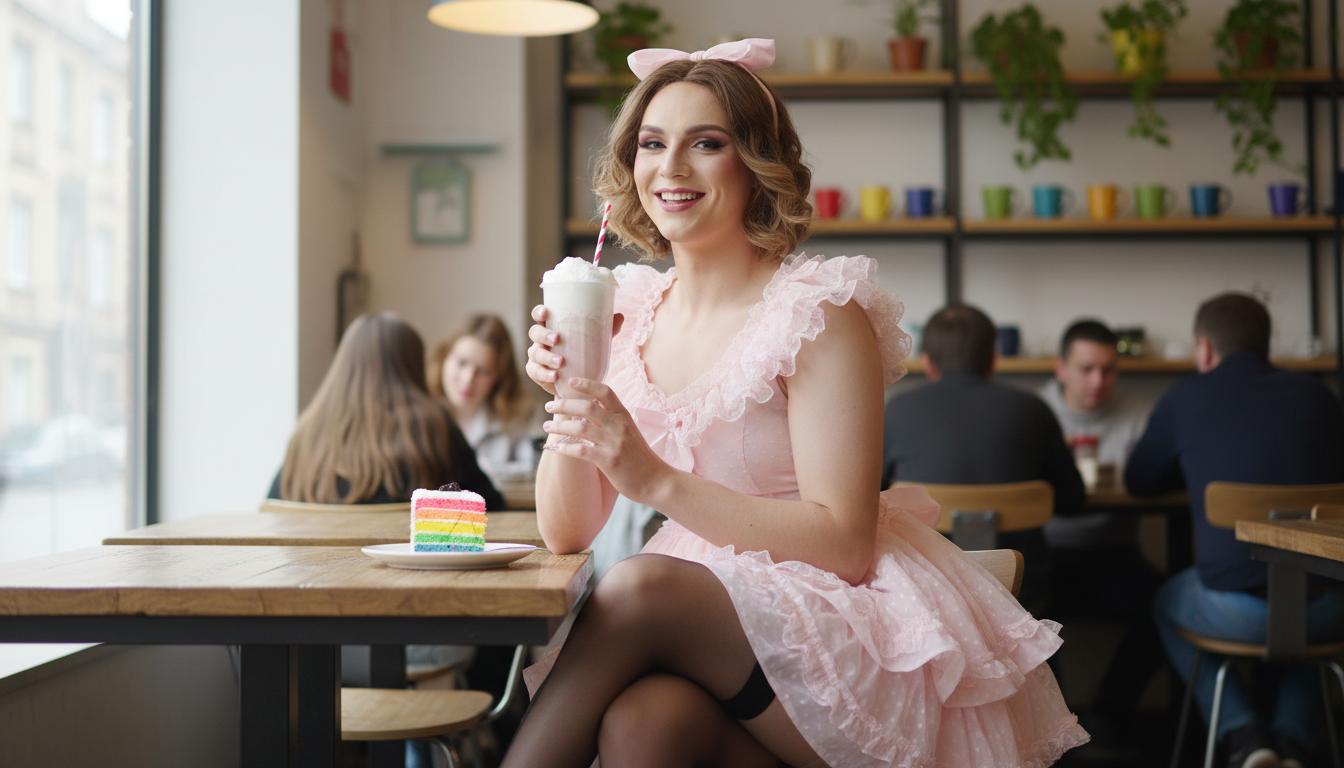
A femboy is someone—often a boy or man, sometimes non-binary—who expresses femininity through clothing, grooming, body language, or aesthetics. The key idea is gender expression, not gender identity or sexual orientation. A femboy might be cisgender or transgender, straight or queer. The term describes style and vibe, not who someone is attracted to.
Some people use “femboy” proudly; others dislike it or prefer different words. Context matters. It can be playful and affirming among friends, but feel off if used about someone without their say-so. When in doubt, ask how a person likes to be described and what pronouns they use.
In New Zealand, you’ll see femboy style across streetwear, cosplay, nightlife on Karangahape Road, and creative scenes from Tāmaki Makaurau to Pōneke. It’s one part of a wider rainbow of gender expression.
How it works
“Femboy” works as a self-chosen label for a look or identity. It can be a daily style or an occasional outfit. Many people build their take on it from a few elements:
- Clothing: skirts, crop tops, soft knits, tailored shorts, fitted tees, and androgynous pieces
- Grooming: skincare, shaped brows, painted nails, shaved legs or not—your call
- Makeup: from lip balm and subtle highlight to a full glam eye
- Accessories: chokers, pearls, hair clips, thigh-highs, or classic sneakers for balance
- Posture and voice: some lean into gentle mannerisms; others keep it neutral
Socially, it’s best used when someone chooses it for themselves. If you’re describing another person, prioritise their self-description. Respect also shows up in everyday logistics—like using the name and pronouns someone gives you, and being mindful about photos or tags online.
Rights and safety in Aotearoa: New Zealand’s Human Rights Act 1993 protects people from discrimination, and guidance from the Human Rights Commission recognises protection for gender identity and expression. Workplaces and schools are encouraged to support inclusive dress codes and facilities. If you face discrimination, you can contact the Human Rights Commission for confidential advice.
- Start with comfort: choose one feminine piece (earrings, nail polish, or a soft cardigan) and wear it at home first.
- Pick a silhouette: slim jeans with a floaty top, or a skirt with a boxy tee—contrast creates balance.
- Build a palette: soft pastels, monochrome, or bold colour blocking; limit to two or three colours at once.
- Groom with intention: skincare, a light concealer, or tidy brows can shift the overall feel.
- Test in low-stakes spaces: a cafe, a walk on Cuba Street, or a gig where expressive style is common.
- Plan for safety: go with a friend at night, know your route home, and trust your read of a situation.
- Shop smart in NZ: mix op-shops with mainstream stores; try multiple size ranges; use a tailor for fit.
- Adjust as you go: keep what feels good, drop what doesn’t, and let your look evolve.
Types / examples
There’s no single “correct” femboy look. Think of it as a spectrum you can tune to your life and comfort level. Examples include:
- Casual soft: oversized jumper, pleated mini over bike shorts, white trainers, lip balm
- Androgynous clean: crisp button-up, tailored trousers, loafers, subtle mascara
- Alt/goth: mesh top over cami, black skirt, chunky boots, silver hardware
- Kawaii/cute: pastel cardigan, high-waist shorts, knee-high socks, hair clips
- Sporty femme: cropped hoodie, track pants with a slim cut, glossy nails
- Business femme: tucked blouse, pencil or A-line skirt, cardigan, simple jewellery
- Performance/cosplay: full makeup, dramatic accessories, character-specific styling
New Zealand seasons matter. Layering is your friend: cardigan over a cami in spring, tights under shorts in winter, breezy linen in summer. Op-shops and markets from Dunedin to Whangārei are goldmines for textures and unique finds.
Pros and cons
Like any visible form of self-expression, being a femboy has upsides and challenges. Knowing both helps you choose what’s right for you.
- Pros:
- Self-expression and authenticity
- Creative outlet through fashion and grooming
- Connection with queer and gender-diverse communities
- Confidence from owning your style
- Cons:
- Misunderstandings or stereotyping
- Dress codes at school or work that need navigation
- Online pile-ons or harassment in some spaces
- Safety concerns at night or in unfamiliar areas
Many people manage the challenges with supportive friends, careful venue choices, and practical habits like sharing location when out late. If someone crosses a line, documenting what happened and seeking help early can make a big difference.
How to use or choose
If you’re deciding whether to use “femboy” for yourself, try it on the way you’d try a new jacket: see how it feels in your mouth and in your life. You can keep the look and skip the word, use the word and keep the look casual, or change your mind later. It’s your call.
Shopping in New Zealand is easier when you ignore “men’s” and “women’s” signs and go by fit:
- Measure yourself (chest, waist, hips, inseam) and compare to size charts
- Try multiple size ranges; a “women’s L” might match a “men’s S” depending on brand
- Use tailors or alteration services to adjust waist, hem, or shoulders
- Op-shops and clothing swaps keep costs low while you experiment
Below is a quick comparison to place “femboy” alongside nearby concepts. It’s a guide, not a rulebook.
| Term | Focus | Typical identity | Notes |
|---|---|---|---|
| Femboy | Feminine gender expression | Often male or non-binary; any orientation | About style and vibe; self-chosen label |
| Androgynous | Blend of masculine and feminine | Any | Neutral look; not necessarily “femme” |
| Crossdresser | Wearing clothes not traditionally linked to one’s gender | Any | Often context-specific; not the same as being trans |
| Drag | Performance art using gendered aesthetics | Any | Stage-focused; exaggerated style |
| Trans woman | Gender identity (woman) | Transgender woman | Identity, not a fashion term |
| Non-binary femme | Feminine expression | Non-binary | Some overlap in style; different identity basis |
FAQ
Is a femboy the same as transgender?
No. “Femboy” speaks to expression. A person might be a cis man who dresses femme, a trans man who enjoys femme style, or non-binary. Being transgender is about gender identity, not clothing.
Is the term femboy offensive?
It depends on who uses it and how. Many people use it for themselves with pride. Using it about someone who hasn’t chosen it can feel disrespectful. When unsure, ask for their preferred words.
Is femboy a sexual term?
Not by default. It’s mainly about style and presentation. Some spaces sexualise the word, but everyday use doesn’t have to. Keep context and consent in mind, especially online.
What pronouns do femboys use?
Any. Some use he/him, some they/them, some a mix. Let the person tell you, and then stick to it.
Can women be femboys?
Language evolves. Some women and femme-aligned people may play with the term, though it’s most often used by boys, men, and some non-binary people. Ultimately, self-identification rules.
How do I stay safe as a femboy in New Zealand?
- Choose venues known for queer-friendly vibes
- Go out with friends at night and share your plans
- Trust your instincts; leave if a space feels off
- In emergencies, call 111
Are there protections for gender expression here?
Yes. The Human Rights Act 1993 protects against discrimination, and Human Rights Commission guidance includes protection for gender identity and expression. Many schools and workplaces now adopt inclusive dress codes and facilities. If you need help, the Commission offers free, confidential support.
Where can I find community or support in Aotearoa?
Groups like RainbowYOUTH, InsideOUT Kōaro, Gender Minorities Aotearoa, and OUTLine provide information, peer support, and advocacy. Local queer events and arts scenes—think Karangahape Road in Auckland or Cuba Street in Wellington—are welcoming places to meet people.
How do I build a femboy wardrobe on a budget?
- Start with accessories (earrings, rings, belts) and one statement piece
- Use op-shops for skirts, blouses, and knits; tailor for fit
- Stick to a colour palette so pieces mix easily
- Care for clothes—fabric shaving, mending, and proper washing keep items fresh
Do I have to present femme all the time to be a femboy?
No. Many people switch looks depending on mood, weather, or setting. Your style can flex without losing your sense of self.
Final thought
Femboy is one more way people in New Zealand express who they are through fashion and feeling. Use what helps you feel at home in your body and your life, and leave the rest. Respect, consent, and a bit of creativity go a long way.