
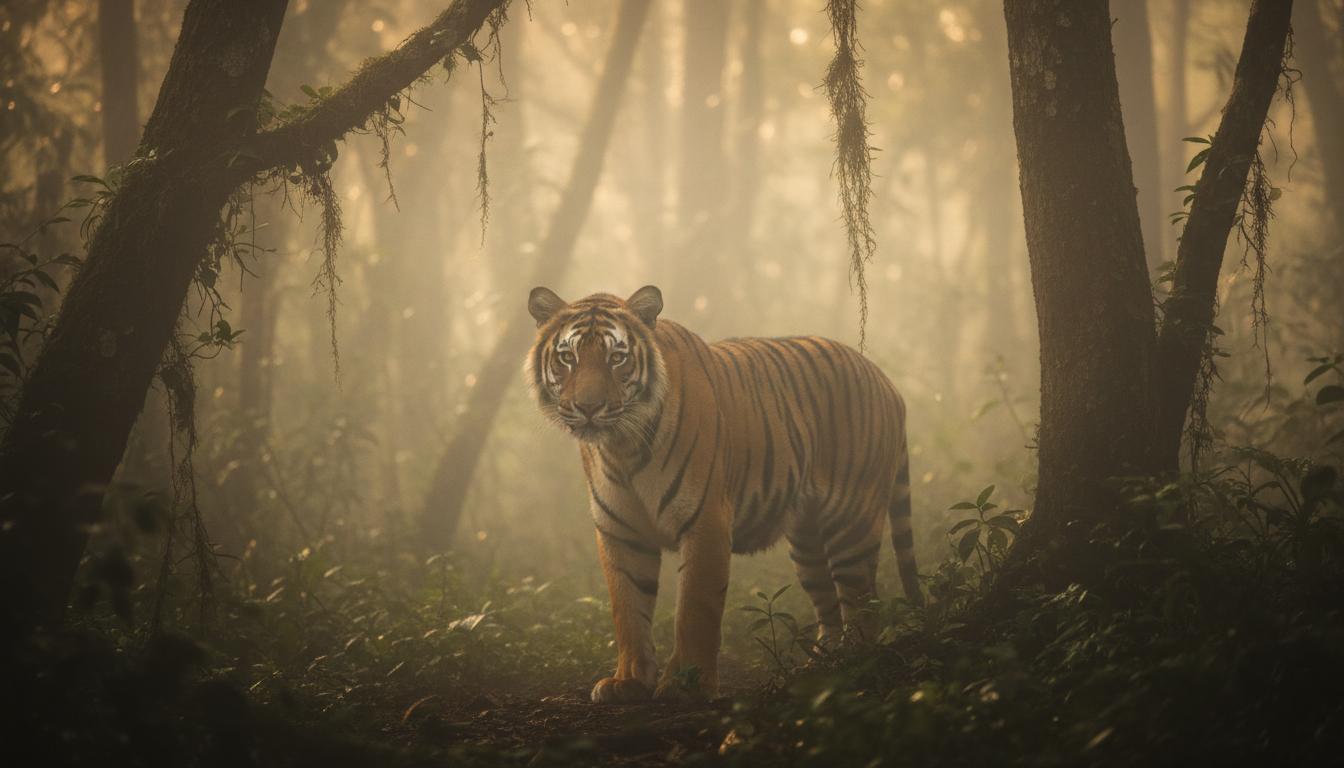
Hazy tiger is a short, memorable phrase that turns up in craft beer menus, design studios, tattoo shops and clothing labels. In this article you will learn what people mean when they say hazy tiger, how the look or idea is made, the main types you will encounter, practical pros and cons, and clear steps to choose or create a hazy tiger product in New Zealand.
What is hazy tiger?
Quick answer: hazy tiger is not one single thing. It’s a descriptive name applied to multiple creative and commercial uses where the words “hazy” and “tiger” combine to suggest softness plus bold patterning.
Most commonly, you will see hazy tiger used for:
- Hazy-style beers with tiger-themed labelling or names.
- Visual art and photography that blend soft, foggy tones with tiger imagery.
- Tattoos and textile prints that use tiger stripes rendered in watercolour or blurred edges.
- Branding and product names that want a mix of wild and mellow.
For New Zealand readers, think of the phrase as a creative tag—an aesthetic direction rather than a strict category. It signals contrast: fierce subject matter softened by haze or diffusion.
How it works
Short explanation: hazy tiger works by pairing two opposing visual or sensory ideas—vivid pattern and muted clarity—to create something unexpected and arresting.
In beer
A “hazy” beer is typically an unfiltered New England–style IPA. The haze comes from suspended yeast, proteins and oats that create a cloudy, juicy look and mouthfeel. Adding tiger in a beer name or label uses bold colours or stripe motifs to communicate energy.
In visual art and photography
Hazy tiger in imagery relies on diffusion techniques: soft focus, motion blur, mist overlays, or semi-transparent layers. The tiger motif remains readable, but the edges melt into the background, adding mystery.
In tattooing and textiles
Tattoo artists translate hazy tiger into soft shading, watercolor fills, and broken stripes. Cloth designers print tiger patterns with washed-out dyes or gradients so the pattern feels worn and atmospheric rather than crisp.
Types / examples
Here are the main types you will meet, and what each aims to achieve.
1. Hazy tiger — Craft beer
- Unfiltered, juicy beers labelled with tiger imagery.
- Often low bitterness, high aroma hops and tropical flavours.
2. Hazy tiger — Visual art and photography
- Prints, posters, digital wallpapers that blend fog and animal forms.
- Workshops or exhibitions may use the motif to explore memory or strength.
3. Hazy tiger — Tattoos and fashion
- Tattoos use soft washes and broken stripes.
- Clothing features tiger stripes printed with gradients and faded edges.
4. Hazy tiger — Branding and product design
- Names for cafes, bars, or products that want to balance boldness with approachability.
- Used in logos, packaging, and signage.
| Type | Typical Appearance | Key Technique | Common Use |
|---|---|---|---|
| Craft beer | Cloudy liquid, bright label with tiger motif | Unfiltered brewing, fruity hops | Taprooms, cans, beer festivals |
| Visual art / photography | Soft edges, mist, layered colours | Diffusion filters, overlays | Prints, galleries, social media |
| Tattoo / fashion | Faded stripes, watercolor fills | Layered ink, garment dyeing | Clothing lines, body art |
| Branding | Bold icon softened by textures | Logo design with grain or blur | Products, cafes, small businesses |
Pros and cons
Here are practical advantages and drawbacks to consider when choosing the hazy tiger aesthetic.
Pros
- Distinctive: mixes strong symbolism with calm tones.
- Approachable: the haze softens an otherwise aggressive motif.
- Flexible: translates well across media—print, fabric, glass, skin.
- On trend: foggy, soft-focus visuals remain popular in design and craft beer.
Cons
- Potentially vague: the concept can feel generic if not executed with intent.
- Technical demands: creating a convincing haze effect needs skill in printing or photography.
- Cultural sensitivity: animal imagery should avoid exoticism or appropriation.
- Durability: faded or hazy prints may age unevenly on fabric.
How to use or choose
Short guide: decide whether you want the phrase “hazy tiger” for flavour, look, or brand; then follow practical steps to buy or create with confidence.
- Define the purpose—drink, decorate, wear, or brand.
- Set a budget—beer tasting, art commission, tattoo, or print run cost differs a lot.
- Research suppliers—taprooms, artists, tattooists or print studios in your area.
- Request examples—ask for photos or samples showing haze and tiger treatment.
- Test small—try a single can, a small print, a temporary tattoo, or a sample fabric.
- Decide and refine—go ahead, but keep a plan for maintenance or marketing.
Below are more specific tips tailored to popular New Zealand scenarios.
Choosing a hazy tiger beer in New Zealand
- Look for “hazy” or “NEIPA” on the tap list. Read the tasting notes for “juicy”, “mango”, “pineapple”.
- Ask staff if the beer is unfiltered—cloudiness is the point.
- Pair with spicy or smoky local dishes: kai moana (seafood), charred lamb skewers, or café-style burgers.
Commissioning a hazy tiger tattoo
- Choose an artist experienced in watercolor or soft-shade styles.
- Bring reference images showing the exact balance of fog and stripe you want.
- Discuss placement. Soft shading works well on shoulders, calves and the back.
Designing hazy tiger apparel or prints
- Pick fabric that accepts wash and tone treatments—cotton blends respond well.
- Use high-resolution artwork with layered transparency masks for printing.
- Test one garment before a full run to check colourfastness.
FAQ
Is hazy tiger a real beer style?
Not by itself. Hazy refers to a beer style—New England IPA or similar. Tiger is a label choice. Together they often name a hazy-style beer that uses tiger imagery.
Can I get a hazy tiger tattoo in New Zealand?
Yes. Many New Zealand tattoo studios can create a hazy tiger design. Search for artists specialising in watercolour or soft shading and view their portfolios first.
How do designers create a hazy tiger image?
Designers use diffusion tools: Gaussian blur, gradient masks, layered opacities and texture overlays. They balance contrast so the tiger remains recognisable while edges fade.
Is the hazy tiger aesthetic suitable for branding?
Yes, when the brand wants to mix bold personality with a relaxed tone. It fits boutique bars, creative studios and apparel lines. Keep accessibility and cultural sensitivity in mind.
How do I care for hazy tiger clothing or prints?
Wash garments inside out on a cold cycle and avoid harsh bleach. For prints, follow the printer’s care instructions to preserve tones. For tattoos, follow aftercare guidance from your artist.
Final thoughts
Hazy tiger is a versatile, evocative phrase that acts as a design direction more than a strict category. Whether you encounter it on a can at a Wellington taproom, a wearable print in Ponsonby, or a new tattoo walking down Cuba Street, the idea is the same: a wild motif softened by haze.
Make decisions based on purpose and skill. Taste a sample, view an artist’s portfolio, or order a fabric swatch before you commit. With careful choices, hazy tiger can deliver a striking, modern look that feels both bold and approachable to New Zealand audiences.