
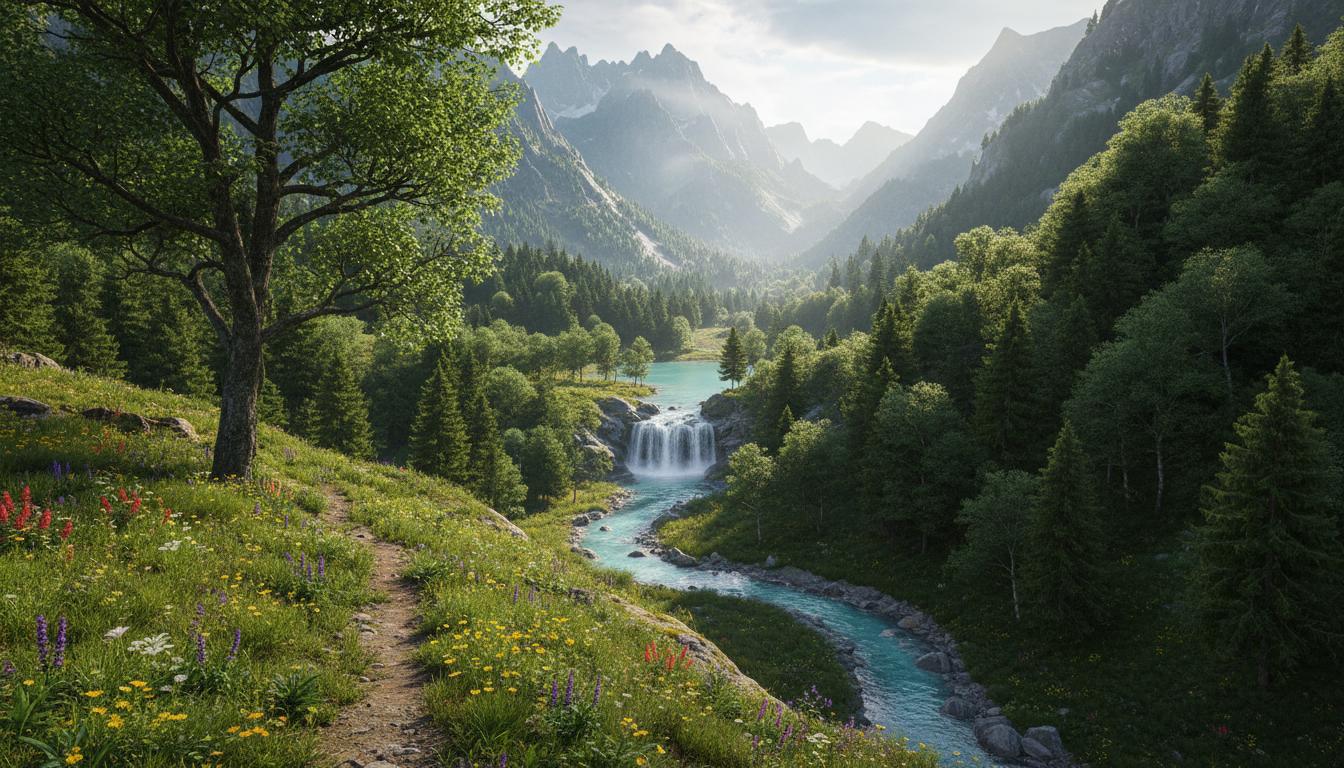
New Zealand is full of tucked-away places that don’t shout for attention. A hidden valley is one of those: a quiet pocket of land you only reach by winding road, bush track, or boat—then suddenly the world opens. In this guide, you’ll learn what a hidden valley is, how these places form, the best types and examples around Aotearoa, their pros and cons, and how to choose and plan your own visit. There’s a comparison table, practical steps, and answers to common questions New Zealanders ask.
What is
A hidden valley is a secluded basin or valley that stays out of sight until you’re almost in it. Terrain, vegetation, or access limits keep it quiet; stepping in feels like crossing a threshold. In New Zealand, hidden valleys can be geothermal basins, glacial valleys, limestone pockets, or high-country folds behind long gravel roads. They’re places where you feel removed from traffic and towns, even if the map says you aren’t far away.
One well-known example is Ōrākei Kōrako, often called “The Hidden Valley,” a geothermal area between Taupō and Rotorua. Others are remote high-country valleys in Otago and Kahurangi that reward patient travellers and well-prepared trampers.
How it works
Geology and landforms
Valleys form when water, ice, and time carve paths through rock. In the Southern Alps, glaciers scooped U-shaped valleys and left basins that feel enclosed. In the central North Island, volcanic and hydrothermal activity created silica terraces, caves, and fault-bound basins. In places like Kahurangi, limestone and marble dissolved into karst landscapes—riddled with arches, sinkholes, and hidden streams—that often hide valleys inside dense rainforest.
Why some valleys stay “hidden”
- Topography: Ridges and bluffs block sight lines until the final approach.
- Vegetation: Podocarp and beech forest, or manuka and tussock, screen valley floors.
- Limited access: 4WD-only roads, swing bridges, boat shuttles, or long tramping tracks keep numbers low.
- Land status: Conservation areas, working farms, or private land mean fewer casual visitors.
Microclimates and conditions
Hidden valleys often have their own weather. Cold air pools on still winter nights. Morning fog lingers. In summer, heat can build with little wind. Geothermal basins have warm ground and acidic steam; alpine valleys can turn wintry fast. Always check MetService forecasts for the nearest range or valley and expect conditions to change without much warning.
Navigation and safety
Because you can’t see far, navigation matters. Carry a Topo50 map or an offline app, not just a phone signal that might drop out. In bush-covered valleys, tracks can be rooty, muddy, or braided by animal trails. In geothermal areas, the safe route is the only route—boardwalks exist for a reason. In high-country valleys, rivers may be the only highways; that also means river levels determine if you get through.
Types / examples
Geothermal hidden valley
Ōrākei Kōrako (The Hidden Valley) near Lake Ohakuri offers silica terraces, geysers, and a rare geothermal cave. You reach it by a short boat ride across the river. Boardwalks wind through steam, mineral pools, and alien colours. It’s family-friendly but still feels otherworldly.
High-country and goldfields valleys
Central Otago’s Nevis Valley sits high and wide but still feels cut off, with historic gold workings, rock tors, and long gravel roads. Access is rough and often seasonal; check conditions and local council advisories. The sense of isolation is the draw.
Karst rainforest basins
North of Karamea in Kahurangi National Park, the Ōpārara Basin is a classic hidden valley of limestone arches, tannin-stained rivers, and dense bush. Short walks lead to Moria Gate and Ōpārara Arches. The drive is slow and narrow, which helps keep it quiet.
Alpine tramping valleys
The Cobb Valley above Golden Bay sits behind one of New Zealand’s highest public roads, twisting up to the Cobb Reservoir. From there, tracks head to alpine lakes and huts in a hush that feels far from any highway. Weather can shift quickly, even in summer.
Pros and cons
Benefits of visiting a hidden valley
- Solitude and atmosphere that’s hard to find near busy attractions.
- Distinct ecosystems: geothermal terraces, marble arches, or tussock basins in one day.
- Rich stories: gold rush relics, Māori histories, and conservation projects.
- Photography: clean air, sculpted light, and textured landscapes.
Downsides to weigh up
- Access can be slow, rough, or seasonal; plans may change.
- Fragile environments where a single shortcut can scar soft ground.
- Limited services: no fuel, food, or reception once you’re in.
- Real risks: river crossings, geothermal hazards, or sudden alpine weather.
How to use or choose
How to choose the right hidden valley
- Time and fitness: For a half-day with kids, a serviced geothermal park or short karst walk suits. For a weekend tramp, pick an alpine or high-country valley with huts.
- Season: Geothermal sites steam year-round. High-country valleys are best late spring to autumn. Winter means short days, ice, and closures.
- Access: If you don’t have a 4WD, choose sealed or well-graded gravel roads or go with a shuttle/guide.
- Interests: History lovers might head to goldfields; photographers to limestone arches; geology fans to silica terraces.
- Safety comfort: If river crossings or exposure worry you, choose valleys with bridges and formed tracks.
Step-by-step: Plan a hidden valley trip in New Zealand
- Define your goal: quick scenic visit, easy family walk, or multi-day tramp.
- Pick your region: central North Island for geothermal; West Coast or Kahurangi for karst; Otago for high-country basins.
- Check the season and forecast on MetService for the exact area.
- Read the Department of Conservation (DOC) page for track status, hut info, and alerts.
- Confirm access: road conditions, seasonal closures, private land permissions, boat shuttles if required.
- Map your route with Topo50 or an offline map app; download maps.
- Sort gear: layers, rain shell, warm hat, tramping boots, PLB, headtorch, and enough food and water.
- Plan safety: tell someone your intentions, set turn-back times, and know your river crossing options.
- Protect the place: follow Leave No Trace; Check, Clean, Dry your gear to stop pest spread and kauri dieback.
- Travel early: beat crowds and wind; adjust plans if conditions change.
Comparison: hidden valley options
| Hidden valley (example) | Region | Valley type | Best season | Access | Highlights | Approx. travel from hub |
|---|---|---|---|---|---|---|
| Ōrākei Kōrako (The Hidden Valley) | Between Taupō and Rotorua | Geothermal basin | Year-round | Sealed road + short boat shuttle | Silica terraces, geysers, geothermal cave, boardwalks | ~25–45 minutes from Taupō or Rotorua |
| Nevis Valley | Central Otago | High-country/goldfields | Late spring to autumn | Gravel, rough 4WD roads; seasonal closures | Historic relics, wide basins, solitude | ~1.5–2 hours from Queenstown (conditions dependent) |
| Ōpārara Basin | Near Karamea, West Coast | Karst rainforest basin | All seasons; calmer in summer | Narrow gravel road, short walks | Limestone arches, tannin rivers, birdlife | ~1 hour from Karamea |
| Cobb Valley | Kahurangi National Park | Alpine/glacial valley | Late spring to autumn | Steep sealed + narrow gravel to reservoir; tramping tracks | Alpine lakes, huts, big skies | ~2.5–3 hours from Nelson (via Takaka) |
FAQ
What exactly is a hidden valley?
It’s a secluded valley or basin concealed by terrain, vegetation, or limited access. You usually won’t see it from main roads; it reveals itself late in the approach. In New Zealand, hidden valleys range from geothermal parks to remote alpine folds.
Is “The Hidden Valley” near Rotorua worth it?
Ōrākei Kōrako—often called The Hidden Valley—is a compact, family-friendly geothermal park with boardwalks, silica terraces, and active features. It’s an easy way to experience a hidden valley without a big hike, and it runs year-round.
Do I need a 4WD to reach a hidden valley?
Not always. Some, like Ōrākei Kōrako and Ōpārara, are reached by standard vehicles on sealed or decent gravel roads (drive with care). Others, such as parts of the Nevis Valley, usually need high clearance and can be seasonally closed. Always check current access information.
Can I take kids?
Yes, for shorter, well-formed options like geothermal boardwalks and short karst walks. Alpine or high-country valleys may involve longer tracks, river crossings, or exposure—choose to match ability and weather.
Are dogs allowed?
Often no, especially in national parks and many conservation areas. Some working farms and reserves also restrict dogs to protect wildlife. Check local rules before you go.
Do I need a guide?
Guides aren’t required for many hidden valleys but can add safety and insight, especially for 4WD routes, river travel, or areas with complex geology and history. If you’re unsure about conditions, consider a guided trip.
What permits or passes might I need?
For DOC huts, carry hut tickets or a Backcountry Hut Pass. Some roads cross private land and need permission. Seasonal road closures are common in alpine areas; check council or DOC alerts before travelling.
What should I pack?
Sturdy boots, warm layers, rain jacket, hat and gloves, water and snacks, map or GPS, first-aid kit, and a personal locator beacon (PLB). In geothermal areas, stay on boardwalks and wear closed footwear. In bush, clean gear to prevent kauri dieback and other pests.
When is the best time to visit?
Geothermal hidden valleys are great year-round. West Coast karst basins look lush after rain but can be slippery. Alpine and high-country valleys are best from late spring to autumn when days are longer and rivers lower. Always check the forecast.
What about cultural sites?
Many valleys hold Māori histories and wāhi tapu (sacred places). Respect signage, stay on formed tracks, and avoid touching or removing artefacts. If in doubt, follow local guidance and tikanga.
Final tips for New Zealanders planning a hidden valley escape
Keep plans flexible and simple. Start early, carry a margin of safety, and tread lightly. Hidden valleys give back what you bring: patience, curiosity, and care. Whether you choose a steaming boardwalk between Taupō and Rotorua or a wind-brushed basin in Otago, you’ll step into a different pace of Aotearoa—and step out with it still intact.