
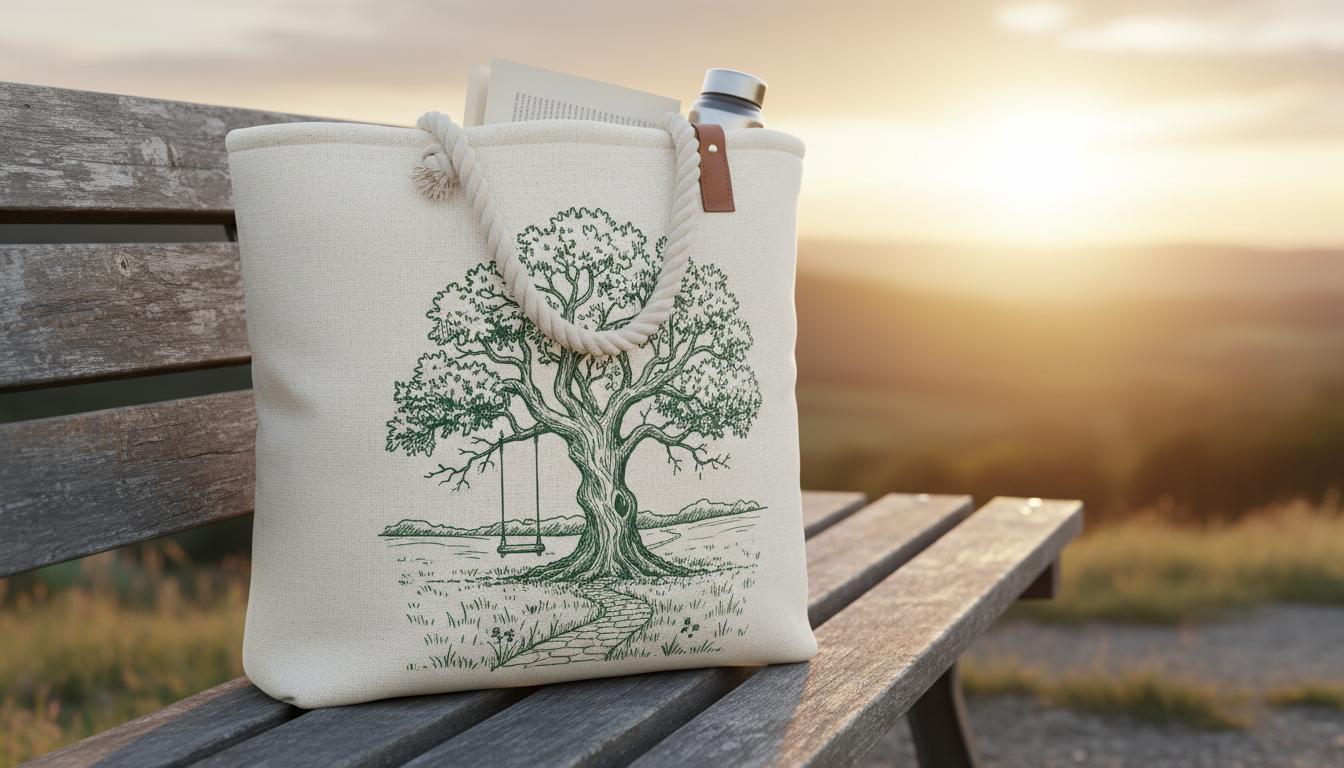
A good tote bag earns its keep. It hauls the groceries after work, carries a laptop across town, and doubles as a beach companion when the weather swings warm. In New Zealand, where plastic shopping bags are long gone and days can turn on a dime, a reliable tote bag is more than an accessory—it’s a small everyday tool that makes life easier.
This guide breaks down what a tote bag is, how it works, the main types you’ll see in Aotearoa, and how to pick one that suits your routine. You’ll also find a comparison table, step-by-step tips, and clear answers to common questions.
What is
A tote bag is a simple, open-top carry-all with two parallel handles and a roomy interior. Think of it as a flexible, unfussy bag designed to move anything from books and produce to gym gear and beach towels. Unlike structured handbags or packs with lots of hardware, the classic tote bag focuses on a big compartment, sturdy fabric, and grab-and-go ease.
Key features of a tote bag
- Open main compartment for fast access
- Two handles for hand carry or shoulder carry
- Flat base or gusset to stand and load easily
- Tough materials (canvas, jute, nylon, recycled fabrics)
- Optional extras: inner pockets, zip or snap closure, key clip
In New Zealand, tote bags are common for market shops, library runs, uni, and commuting—especially since the move away from single-use plastic shopping bags. They fold small, live in the car or by the front door, and save the day more often than you’d expect.
How it works
A tote bag spreads weight through its fabric body and handles. The flat base (or gusset) lets items sit wide rather than tall, which keeps the bag stable and easier to carry. Long handles “drop” over your shoulder; shorter handles suit hand carry or a crook-of-the-arm hold. Many modern totes add a zip or magnet at the top to stop smaller items wandering during a windy Wellington dash.
Capacity and comfort
Capacity depends on height, width, and depth. Even medium totes fit daily essentials and a light layer. Comfort comes from two things: handle design and load management. Broad, lightly padded straps spread weight better than thin, round cords. Inside, using a laptop sleeve or a small pouch stops corners poking you and keeps the weight balanced.
Materials and performance
Fabric choice changes how a tote bag behaves day to day. Canvas grips and holds shape; nylon sheds showers; jute breathes and feels rustic. Some recycled fabrics (like rPET from bottles) cut waste and add strength. Leather trims or bases add durability but need more care in wet weather. If you live where squalls are common, a water-resistant finish or a quick-dry synthetic pays off.
Types / examples
By material
- Cotton canvas tote bag: Classic, strong, easy to print with local designs. Great for everyday carry and markets.
- Recycled PET (rPET) tote bag: Light, tough, often water-resistant. Packs small for travel and shopping.
- Nylon/polyester tote bag: Weather-friendly, quick-dry, ideal for unpredictable showers.
- Jute or hemp tote bag: Natural texture, breathable, excellent for produce and beach gear.
- Waxed canvas tote bag: Rugged look, improved water resistance, develops character with use.
- Leather or leather-trim tote bag: Smart, durable, suited to office settings with care in rain.
By use-case in New Zealand
- Work and commute: A structured tote bag with a laptop sleeve, inner pocket, and secure closure.
- Uni and school: Medium-to-large canvas or nylon tote bag that fits books, a bottle, and a jumper.
- Markets and supermarkets: Sturdy, wide-base tote bag that stands upright at New World or PAK’nSAVE checkout.
- Beach and bach: Jute or mesh-lined tote bag that handles sand and togs, dries fast, and wipes clean.
- Travel and weekend trips: Packable, zip-top tote bag that works as a personal item and day bag on arrival.
Material comparison
| Material | Strength & Durability | Water Resistance | Care | Sustainability Notes | Best For |
|---|---|---|---|---|---|
| Cotton Canvas | High (thicker weaves are very tough) | Low unless treated | Machine-wash cold; air dry | Natural fibre; look for organic or GOTS-certified | Daily carry, library, markets |
| Recycled PET (rPET) | High for weight | Moderate to high; quick-dry | Wipe clean; gentle wash if allowed | Diverts plastic; look for recycled content certifications | Travel, wet weather, gym |
| Nylon/Polyester | Medium to high | Moderate; can be coated | Wipe clean; spot treat | Long-lasting; choose bluesign or similar where possible | Commuting in changeable weather |
| Jute/Hemp | Medium; holds shape | Low; absorbs moisture | Spot clean; avoid machine wash | Low-input crops; biodegradable | Produce, beach, bulk bins |
| Waxed Canvas | High; ages well | Moderate to high (due to wax) | Brush dirt; re-wax as needed | Durable; long service life | All-weather errands, outdoor events |
| Leather (or Trim) | High with care | Low; avoid soaking | Condition occasionally; keep dry | Longevity offsets impact | Office, formal settings |
Pros and cons
Pros
- Versatile: one tote bag shifts from errands to evening without fuss
- Spacious: open design fits odd shapes and bulky layers
- Easy access: no digging through tight zips and tiny pockets
- Compact storage: folds flat in a glovebox or drawer
- Customisable: local prints, pockets, and closures to suit your style
Cons
- Weight on one shoulder can tire you on long walks
- Open tops invite rain and pickpocket risk without a closure
- Soft sides offer less protection than a padded backpack
- Thin straps can dig in with heavy groceries
How to use or choose
The right tote bag depends on what you carry, how you move, and the weather you face. Make it work for your real life—commute, shops, beach, or all three.
Step-by-step: choose the right tote bag
- Define your main use. Work, markets, beach, or multi-role?
- Pick a size that fits your biggest regular item (laptop, lunch box, or a 2L bottle).
- Match the material to your climate. Canvas for dry days; nylon/rPET or waxed canvas for rain.
- Check strap length. Aim for a shoulder drop that clears your elbow and a hand carry that doesn’t drag.
- Look for structure. A flat base or insert stops milk and bread from tipping over.
- Decide on security. Zip top or magnet if you commute on busy trains or buses.
- Prioritise comfort. Wide straps and smooth seams prevent digging and chafing.
- Plan organisation. One or two inner pockets for keys, wallet, and phone; use pouches for the rest.
- Consider care. If you’ll spill coffee, choose wipe-clean fabric or machine-washable canvas.
- Check sustainability claims. Prefer organic cotton (GOTS), verified recycled content, or long-lasting builds.
Packing and care tips
- Heaviest items at the base and close to your body for balance.
- Stand bottles upright; use a sleeve to stop clinking.
- Keep a foldable tote bag inside your main tote for surprise shops.
- Clean canvas with cold water and mild soap; avoid hot washes to limit shrinkage.
- Air-dry out of direct sun to prevent fading.
- Re-wax waxed canvas when water stops beading.
- Spot clean leather and condition occasionally; keep it out of downpours.
FAQ
What size tote bag should I get for everyday use?
Most people are happy with a medium tote bag that fits a laptop or tablet, a water bottle, and a light jacket. If you shop after work, choose a wider base so groceries don’t topple.
Can I use a tote bag as my reusable shopping bag in New Zealand?
Yes. A strong, wide-base tote bag works well at supermarkets and farmers’ markets. Keep two or three in your car boot so you’re never caught short.
Is a tote bag good for rainy days?
Pick nylon, rPET, or waxed canvas, and go for a zip top. Toss in a small dry bag for electronics if you’re facing heavy rain or sea spray.
What’s the difference between a tote bag and a shopper bag?
They overlap. “Tote bag” usually means a multi-purpose carry-all; “shopper” often leans toward grocery use with a boxy base. In practice, many people use the terms interchangeably.
How do I wash a canvas tote bag?
Empty it, spot treat stains, then cold-wash on a gentle cycle if the label allows. Air-dry flat. Hot water can shrink or fade cotton.
Will a tote bag work as a personal item on flights?
Often yes, if it fits under the seat and meets the airline’s size and weight rules. Check your fare conditions before you pack, especially for laptops and heavier items.
Are tote bags eco-friendly?
They can be. Reusing a durable tote bag many times matters most. Choosing organic cotton, recycled materials, or long-lasting construction reduces impact over the bag’s life.
Which tote bag is best for the beach?
Jute or mesh-lined synthetics are great. They breathe, shrug off sand, and dry quickly. Add a small zip pouch for keys and sunscreen.
Final thoughts
A well-chosen tote bag does simple things well: carry more, stress less, and handle New Zealand’s stop–start weather with minimal fuss. Start with your routine, pick materials that match your climate, and prioritise comfort and durability. Do that, and your tote bag will be the bit of kit you reach for without thinking—week in, week out.