
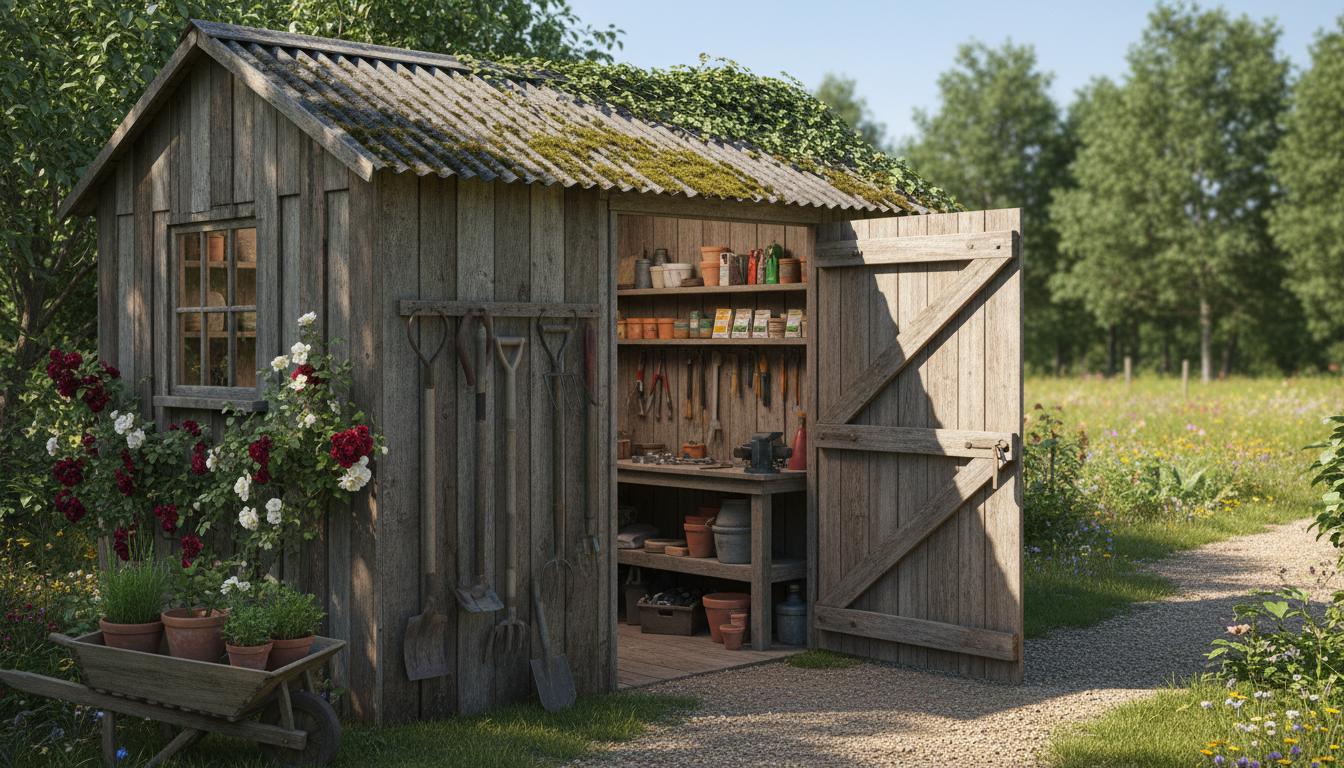
A tidy tool shed turns weekend jobs from a hunt for missing gear into an easy routine. Whether you’re growing veges, tuning a bike, or fixing the deck, a well-planned shed protects tools from New Zealand’s sun, salt, and rain—and keeps the garden from swallowing your spade. This guide covers what a tool shed is, how it works, common types, pros and cons, and step-by-step advice to choose, install, and set up one that suits our climate and council rules.
What is
A tool shed is a small, weather-resistant building for storing and organising tools, hardware, and outdoor gear. In New Zealand, it often doubles as a compact workshop shed for DIY jobs. You’ll see them called garden sheds, storage sheds, kitset sheds, or backyard sheds. Materials vary—timber, steel, or plastic—and sizes range from a narrow lean-to beside the house to a freestanding 3 x 3 m workspace.
By design, a tool shed keeps tools dry, secure, and easy to find. Good sheds manage moisture, resist wind, and stand up to salt air. They also fit within local planning rules and, where needed, building or resource consent.
How it works
A tool shed protects and organises by combining four basics: structure, weatherproofing, ventilation, and security.
- Structure: Framing, panels, and bracing resist wind and earthquakes. Anchors tie the shed to a slab or bearers so it doesn’t shift in a storm.
- Weatherproofing: Roofing, flashings, and sealants keep rain out. Eaves and gutters move water away; a raised floor stops splashback and pooling.
- Ventilation: Vents or windows let moist air escape, reducing condensation and rust. Airflow matters in humid and coastal areas.
- Security: A solid door, good hasp, and quality padlock keep your gear safe. Opaque panels or curtains hide valuables from view.
Inside, shelving, pegboards, bins, and racks do the heavy lifting. Clear zones—gardening, fix-up tools, bikes—save time. If you need power, a licensed electrician can run a dedicated circuit for lighting and outlets. For many Kiwis, a solar light is enough.
Types / examples
Tool sheds come in a few common formats. Your site, budget, and the coastal environment will steer the choice.
By material
- Timber shed: Warm look, easy to modify, great for a workshop feel. Needs regular paint or stain. Use treated timber (H3/H4) and stainless or hot-dipped galvanised fixings in coastal zones.
- Steel shed: Durable, slim profiles, quick to assemble, and often the best value per square metre. Choose high-quality coated steel and class-4 fasteners near the sea to combat corrosion.
- Plastic/resin shed: Low maintenance and fast to assemble. Good for wet areas and simple storage, but less customisable and can be harder to anchor.
By form
- Lean-to shed: Tucks along a fence or wall. Ideal for narrow sections and tool-only storage.
- Gable-roof shed: Extra headroom and airflow. Common for multi-use storage and small workshops.
- Kitset shed: Flat-packed with pre-cut parts. A popular DIY option for weekend assembly.
- Custom-built shed: Tailored size, doors, and windows. Best when you want a proper workshop shed.
- Portable shed: Lightweight or skid-mounted. Handy for renters or temporary setups.
Typical sizes in NZ backyards
- Small: 1.5 x 0.8 m to 2 x 1 m (rakes, spades, hose reels, a few power tools)
- Medium: 2.2 x 1.5 m to 3 x 2.3 m (mower, trimmer, tool chests, potting bench)
- Large: 3 x 3 m or more (bench, shelving, bikes, full garden kit)
Material comparison
| Material | Durability | Maintenance | Coastal suitability | DIY difficulty | Typical lifespan | Cost range |
|---|---|---|---|---|---|---|
| Timber | High with treatment | Paint/stain every 3–7 years | Good with stainless fixings | Moderate | 15–30+ years | Medium–High |
| Steel | High if quality coated | Wash, touch-up scratches | Good with marine-grade options | Easy–Moderate | 15–25+ years | Low–Medium |
| Plastic/Resin | Moderate | Minimal—wash only | Good (no rust), watch UV | Easy | 10–20 years | Medium |
Pros and cons
Pros
- Protects tools from UV, rain, and salt air, extending their life.
- Frees up garage space; improves safety with proper storage.
- Boosts property appeal with a tidy backyard shed.
- Can be built without building consent up to certain limits under NZ exemptions (see FAQ).
- Customisable interior: shelves, pegboards, racks, and a small bench.
Cons
- Condensation and rust risk if ventilation is poor.
- Coastal corrosion for cheap metals and fixings.
- Wind load and anchoring matter—especially in exposed sites.
- Resource consent or setbacks may apply under local district plans.
- Ongoing maintenance for timber and painted steel.
How to use or choose
Choosing the right tool shed
- Purpose: Simple storage, or do you need a compact workshop shed with a bench and power?
- Size: Lay tools on the lawn and measure. Add 20–30% for future gear.
- Site: Pick level ground with drainage and sun. Avoid soggy spots and overhanging trees.
- Material: Timber for custom looks; steel for value; plastic for low maintenance.
- Climate: In coastal or high-wind areas, prioritise corrosion resistance and anchoring.
- Access: Door width for mowers or bikes. Consider double doors or sliding doors in tight spaces.
- Compliance: Check building consent exemptions and local setbacks before you buy.
- Budget: Consider total cost—foundation, anchors, shelves, lighting, and locks.
Step-by-step: plan, install, and fit out
- Confirm rules: Read NZ Building Act Schedule 1 exemptions and your council’s district plan for setbacks and height limits.
- Choose a site: Mark a rectangle; check clearances for doors, gutters, and maintenance access.
- Pick a foundation: Concrete slab for heavy loads; timber bearers on piles for sloping ground; or compacted pavers for light sheds.
- Anchor the base: Install manufacturer-recommended anchors, tornado ties, or brackets suited to your wind zone.
- Assemble the shell: Follow the kitset instructions. Keep panels square; seal joins and install flashings carefully.
- Add weather control: Fit gutters and a downpipe to a soak pit or rainwater tank; install vents or a louvre window.
- Wire safely (optional): Get a licensed electrician for lights and sockets, or use solar/battery lighting if power isn’t needed.
- Fit out storage: Shelves along the long wall, pegboard above a bench, hooks for long-handled tools, and bins for fixings.
- Protect tools: Use desiccant tubs, an anti-rust mat, and light oil on steel edges. Raise gear off the floor.
- Secure the shed: Install a quality hasp, hardened padlock, and ground anchors for high-value items.
Organisation tips that actually work
- Zone by task: Gardening, bike repair, painting, fasteners.
- Go vertical: Pegboards and wall rails save floor space.
- Label clear bins: Screws, plugs, blades, and sanding discs.
- Magnetic strip: Keeps drill bits and small drivers at eye level.
- Floor mat: Anti-fatigue mat by the bench and a boot tray at the door.
- Quarterly sweep: Ten minutes each season to declutter and wipe surfaces.
Foundations at a glance
- Concrete slab: Best for heavy benches and machinery. Long-lasting and level.
- Timber subfloor: Good on uneven ground; easier for DIY; allows airflow under the shed.
- Pavers/compacted base: Fast and affordable for light storage; ensure drainage and anchors.
FAQ
Do I need building consent for a tool shed in New Zealand?
Many small, single-storey detached sheds can be built without building consent under Schedule 1 of the Building Act 2004, including certain sheds up to 30 m² when specific conditions are met. Exemptions have criteria—such as not being used for sleeping, height limits, and structural requirements. Resource consent and district plan rules may still apply. Always confirm details with your local council.
How close can I build a tool shed to the boundary?
Setback rules vary by district plan. Some councils restrict height at the boundary or require a setback to avoid shading neighbours. Check your council’s rules (e.g., Auckland Council, Christchurch City Council) and talk to your neighbour early if you’re near the fence.
What size tool shed suits most Kiwi backyards?
For basic garden tools, 2 x 1.5 m works well. If you want a bench and bike storage, aim for 3 x 2.3 m or 3 x 3 m. Measure your largest item (often the mower) and door width needed.
What’s the best material for coastal areas?
Steel with marine-grade coatings and class-4 fasteners performs well; rinse with fresh water a few times a year. Timber is also great if you use quality treatment and stainless fixings. Plastic won’t rust but can fade—choose UV-stable panels.
How do I stop condensation and rust?
- Add cross-ventilation—vents high and low or a small louvre window.
- Use a moisture barrier under slabs and keep flooring off the ground.
- Store tools dry; wipe down after use; oil bare metal lightly.
- Insulate the roof or use anti-condensation lining if you work inside.
Do I need a concrete slab for a tool shed?
No. A concrete slab is ideal for heavy loads and longevity, but timber bearers or compacted pavers can be fine for light storage. Whatever you choose, make it level, well-drained, and properly anchored.
Can I run power to my shed?
Yes, but use a licensed electrician. They’ll size the cable, install RCD protection, and make it compliant. If you only need light, consider solar or a battery work light to avoid trenching.
Is a kitset shed OK for high-wind areas?
Yes—if you choose a model rated for your wind zone and anchor it correctly. Add extra fixings, sealant at laps, and internal bracing as recommended by the manufacturer.
What about drainage and stormwater?
Fit gutters and a downpipe to a soak pit or water tank. Grade the site so water flows away. Keep the shed slightly elevated to avoid splashback and pooling at the base.
How do I keep pests out?
- Seal gaps at the base and around doors.
- Store potting mix and seed in sealed tubs.
- Use fine mesh over vents.
Can I sleep in my tool shed?
No. A tool shed is for storage and light work. Sleeping, plumbing, or converting it to a tiny home triggers different rules and often requires consent and compliance with other building standards.
What security upgrades are worth it?
- Quality hasp and a closed-shackle padlock.
- Coach-bolted door hardware and hinge bolts.
- Motion light, hidden tracker on bikes, and engraving tools.
Final pointers for a long-lasting tool shed
- Rinse coastal salt monthly and after storms.
- Touch up scratches in steel; repaint timber on schedule.
- Check anchors and roof screws yearly; tighten if needed.
- Keep ground clear of mulch against the walls to prevent moisture and rot.
A well-sited, well-anchored tool shed pays for itself in time saved and tools that last. Choose materials that suit your climate, follow the local rules, and set up smart storage. You’ll have a dry, secure space that works as hard as you do—summer to winter, year after year.