
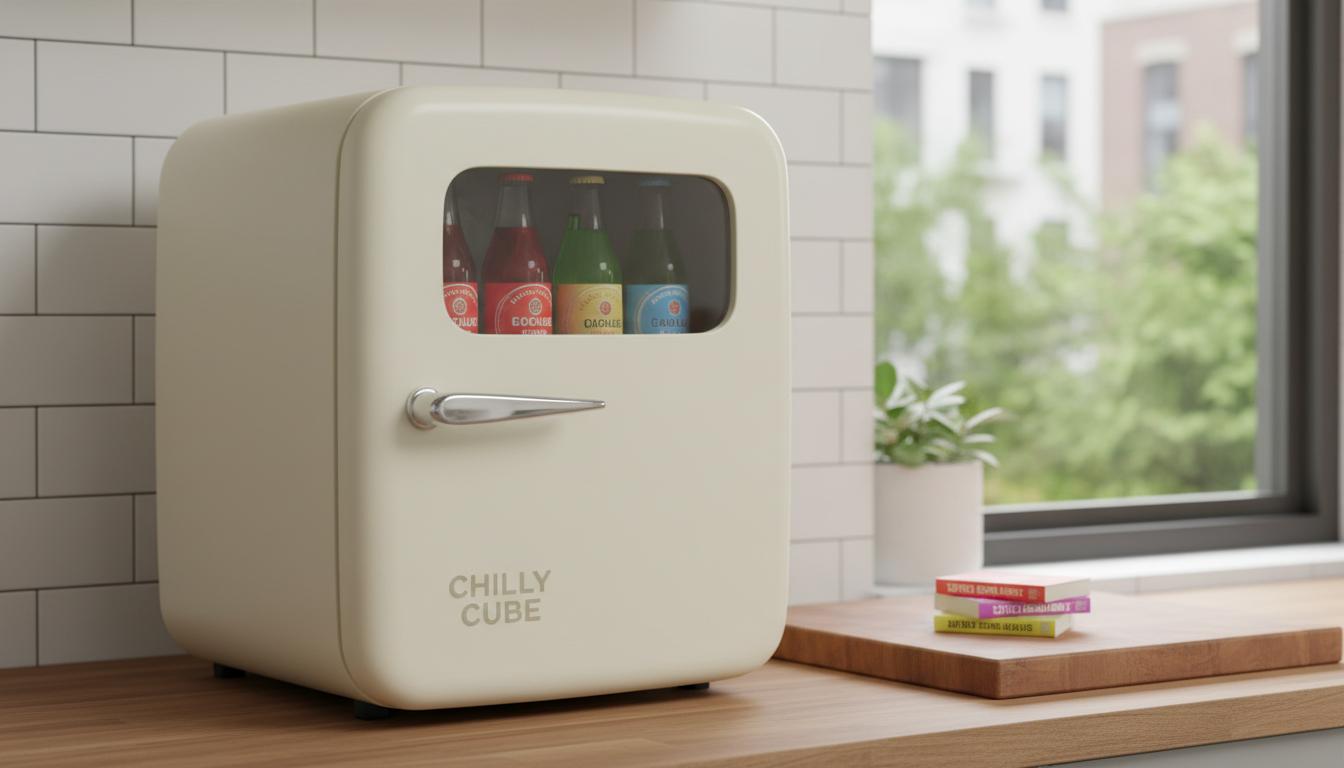
A mini fridge solves a lot of small problems. It keeps milk handy in a home office, chills drinks in the garage, handles snacks in a student flat, and fits beautifully into a tiny house or caravan. If you live in Aotearoa and want a compact, efficient way to keep food and drinks cold, this guide will help you choose the right mini fridge, set it up properly, and run it for less.
What is
A mini fridge is a compact refrigerator designed to fit where a full-size fridge won’t. Most models hold between 30 and 150 litres, cover basic chilling (and sometimes a small freezer box), and plug into standard New Zealand 230–240 V outlets. You’ll also see portable mini fridges that run from 12 V in vehicles or even LPG for off‑grid camping.
Common names include bar fridge, compact fridge, cube fridge, underbench fridge, and portable 12 V fridge. While sizes and features vary, the goal is the same: reliable cooling in a small footprint.
How it works
Compressor mini fridges
These use a sealed refrigerant loop. The compressor squeezes refrigerant, which sheds heat through coils, then evaporates inside the cabinet to absorb heat from your food. They cool strongly and efficiently, work in most Kiwi climates, and are the most common type for homes and offices.
Thermoelectric (Peltier) units
They use a small solid-state module to move heat when power flows through it. No compressor, fewer moving parts, and usually just a quiet fan. They’re light and cheap, but they cool relative to the ambient temperature and are best for short trips or desktops rather than long-term food storage.
Absorption (3‑way) fridges
These use heat (from 230 V mains, 12 V DC, or LPG) to drive an ammonia-based cycle. They can be near-silent and flexible off-grid, but they’re less efficient on electricity and need proper ventilation. Popular in caravans and motorhomes.
Types / examples
Bar fridge (80–150 L)
Great for flats, sleepouts, and garages. Many include a small freezer box for ice trays. Look for an adjustable thermostat, reversible door, and door storage for bottles.
- Strengths: Good capacity; stable temperatures; efficient.
- Watch-outs: Manual defrost if there’s an icebox; needs airflow behind and above.
Cube or desktop mini fridge (30–70 L)
Ultra-compact for tight corners or a benchtop. Suits snacks, milk, and drinks. Often a single shelf with minimal door storage.
- Strengths: Tiny footprint; light; easy to move.
- Watch-outs: Limited space; temperature swings if overfilled.
Underbench integrated mini fridge (100–150 L)
Designed to slide under a counter for a built-in look. Some are “built-in” rated with front ventilation; others are “freestanding” and still need rear clearance.
- Strengths: Clean fit; family-friendly capacity.
- Watch-outs: Measure ventilation needs; door swing can foul on cabinets.
Portable 12 V compressor fridge/freezer (20–80 L)
Perfect for utes, campervans, and boating. Runs on 12/24 V DC and often 230 V with an adapter. Can chill to fridge or freezer temps regardless of the weather.
- Strengths: Powerful cooling; works off-grid; handles rough travel.
- Watch-outs: Higher upfront cost; power draw matters when parked.
Thermoelectric cooler (4–30 L)
Handy for short trips or keeping lunch cold at work. Not a substitute for a kitchen fridge.
- Strengths: Light, affordable, low noise.
- Watch-outs: Limited cooling performance; efficiency falls in summer heat.
Absorption 3‑way (40–120 L)
Common in caravans and motorhomes where LPG is available. Very quiet and can be installed with a flue outside.
- Strengths: Silent; flexible power sources.
- Watch-outs: Requires careful installation and ventilation; less efficient on 230 V.
Quick comparison
| Type | Capacity (L) | Cooling method | Typical energy use | Noise | Power sources | Best for | Approx NZ price |
|---|---|---|---|---|---|---|---|
| Bar fridge | 80–150 | Compressor | 120–220 kWh/yr | 35–45 dB | 230–240 V | Flats, garages, offices | $250–$600 |
| Cube/desktop | 30–70 | Compressor | 80–160 kWh/yr | 35–45 dB | 230–240 V | Benchtops, bedrooms | $150–$400 |
| Underbench integrated | 100–150 | Compressor | 130–230 kWh/yr | 35–43 dB | 230–240 V | Kitchens, studios | $600–$1,200 |
| 12 V portable fridge/freezer | 20–80 | Compressor | 20–60 Ah/day (at 12 V) | 35–45 dB | 12/24 V DC, 230 V (adapter) | Camping, utes, boats | $500–$1,500 |
| Thermoelectric cooler | 4–30 | Peltier | 30–70 W (while running) | 20–30 dB | 12 V, 230 V (adapter) | Short trips, desks | $80–$250 |
| Absorption 3‑way | 40–120 | Absorption | High on 230 V; efficient on LPG | Near silent | 12 V, 230 V, LPG | Caravans, off‑grid | $700–$1,500 |
Pros and cons
Benefits of a mini fridge
- Saves space: fits where a full-size fridge won’t.
- Convenient: keeps essentials close to where you use them.
- Energy use can be low: especially with efficient compressor models.
- Portable options: 12 V models go anywhere.
- Budget-friendly: good models at reasonable prices.
Limitations to consider
- Less storage: frequent top-ups for families.
- Temperature stability: varies more if overpacked or poorly ventilated.
- Freezer performance: many iceboxes struggle to hold −18°C.
- Noise: compressor hum may bother light sleepers.
- Defrosting: many require manual defrost.
How to use or choose
How to choose the right mini fridge in New Zealand
- Capacity in litres: estimate daily needs. Solo or couple: 80–120 L. Office drinks: 30–70 L. Underbench family overflow: 120–150 L.
- Location and ventilation: measure width, depth, height, and allow 5–10 cm clearance at the back and sides (unless front-vented built-in).
- Door swing: check it won’t hit walls or cabinets. A reversible door helps in tight corners.
- Energy Rating Label: more stars mean lower running costs. Compare kWh per year on the label for similar sizes.
- Noise level: look for published dB(A) if it’s going in a bedroom or studio.
- Freezer needs: if you truly need −18°C, choose a model with a separate freezer compartment or a 12 V compressor unit set to freeze.
- Shelving and storage: adjustable shelves, can racks, tall-bottle storage, and a covered dairy compartment add real-world convenience.
- Defrost type: auto-defrost fridges are easier to live with; manual iceboxes need occasional thawing.
- Climate class: for hot garages, pick a model rated to at least “N” or “ST” so it copes with warmer rooms.
- Refrigerant: R600a (isobutane) is efficient and now common in New Zealand.
- Build and warranty: solid door seals and hinges matter. Know your rights under the Consumer Guarantees Act (CGA).
- Use case: for camping or a van, choose a 12/24 V compressor mini fridge. For LPG off-grid, consider absorption with correct installation.
Step-by-step: set up and use a mini fridge
- Measure the space: width, depth, height, and door swing. Leave 5–10 cm behind and at the sides for airflow unless the unit is front-vented.
- Transport upright: if it was tilted, wait 2–4 hours before switching on so compressor oil settles.
- Level the cabinet: adjust feet so the door closes by itself. A slight backward tilt helps sealing.
- Clean before use: wipe interiors with warm water and mild detergent; dry thoroughly.
- Power safely: plug directly into a wall outlet (NZ 230–240 V). Avoid daisy-chained extension leads.
- Set temperature: aim for 0–4°C in the fridge. Avoid above 5°C for food safety.
- Pre-cool: run empty for 4–12 hours before loading, longer if it includes a freezer box.
- Load smart: leave space around items for air to circulate. Don’t block vents.
- Maintain: wipe spills quickly, check the door seal with a paper slip test, and defrost iceboxes whenever frost is 3–5 mm thick.
- Save energy: keep it away from direct sun and ovens, and open the door briefly and less often.
Running cost and noise tips
- Energy cost: multiply the label’s kWh/year by your tariff. Example: 150 kWh × $0.30–$0.40 = about $45–$60 per year in NZ.
- Quiet operation: place it on a firm, level surface, leave clearance, and ensure the rear coils aren’t touching the wall.
- Garage use: pick a model with a suitable climate class; extreme heat or cold affects performance.
Care and longevity
- Defrost gently: never chip ice with sharp tools; let it melt naturally.
- Ventilate: dusty coils increase power draw. Gently vacuum accessible grills and vents (power off).
- Odour control: a small open container of baking soda can help; replace monthly.
- Holiday mode: empty, clean, prop the door open slightly to prevent mould.
- End-of-life: dispose through approved e-waste or council transfer stations so refrigerant is recovered safely.
FAQ
Is a mini fridge cheap to run?
Many compressor mini fridges use 120–200 kWh per year. At roughly $0.30–$0.40 per kWh in New Zealand, that’s about $36–$80 per year. Always compare the Energy Rating Label.
Can I put a mini fridge in a bedroom?
Yes, if the noise won’t bother you. Look for 35–40 dB models, place it level, and ensure some airflow. Thermoelectric units are quieter, but they don’t cool as strongly.
How long does a mini fridge take to get cold?
Most reach stable fridge temperatures within 4–12 hours. Freezer boxes can take 24 hours. Pre-chill drinks before loading to speed things up.
Can a mini fridge go in a garage or sleepout?
Yes, but choose a model with an appropriate climate rating and avoid placing it in direct sun. In very hot or very cold conditions, temperature stability may suffer.
What temperature should I set?
0–4°C for the fridge section is ideal. Don’t let it sit above 5°C. If there’s a freezer compartment, aim for −18°C for safe long-term storage.
What’s the difference between a bar fridge and a mini fridge?
Bar fridge is a common term for larger mini fridges (often 80–150 L) used for drinks and snacks. Mini fridge is the broader category, from tiny desktops to underbench units.
Do mini fridges need defrosting?
Many do, especially models with a small icebox. Defrost whenever frost reaches 3–5 mm. Some mini fridges have auto-defrost for the fridge section.
Is it safe to transport a mini fridge on its side?
Try to keep it upright. If it must be laid on its side, let it stand upright for 2–4 hours before turning on so oil drains back to the compressor.
Can a mini fridge run off a car or solar?
A 12/24 V compressor mini fridge can run from a vehicle or a solar-plus-battery setup. Absorption fridges can use LPG off-grid. Thermoelectric coolers can run from 12 V but are best for short stints.
How do I know if a mini fridge is efficient?
Check the AU/NZ Energy Rating Label: more stars and lower kWh/year are better. R600a refrigerant and thicker insulation are common signs of efficiency.
How much clearance does a mini fridge need?
As a rule of thumb, allow 5–10 cm at the back and sides, and some space above. Built-in models with front ventilation are the exception; follow the manual.
Where should I buy in New Zealand?
Major appliance retailers, camping specialists, and automotive stores all stock mini fridges. Compare warranties, delivery options, and take-back or recycling services.
What about recycling and disposal?
Don’t dump it. Fridges contain refrigerant that must be recovered. Use council transfer stations, accredited e-waste recyclers, or retailer take-back programmes.
A well-chosen mini fridge is one of those small upgrades that makes daily life smoother. Pick the type that fits your space and habits, set it up with good ventilation, keep the temperature honest, and it will quietly do its job for years—whether it’s in a city apartment, a bach by the beach, or the back of a camper heading south.