
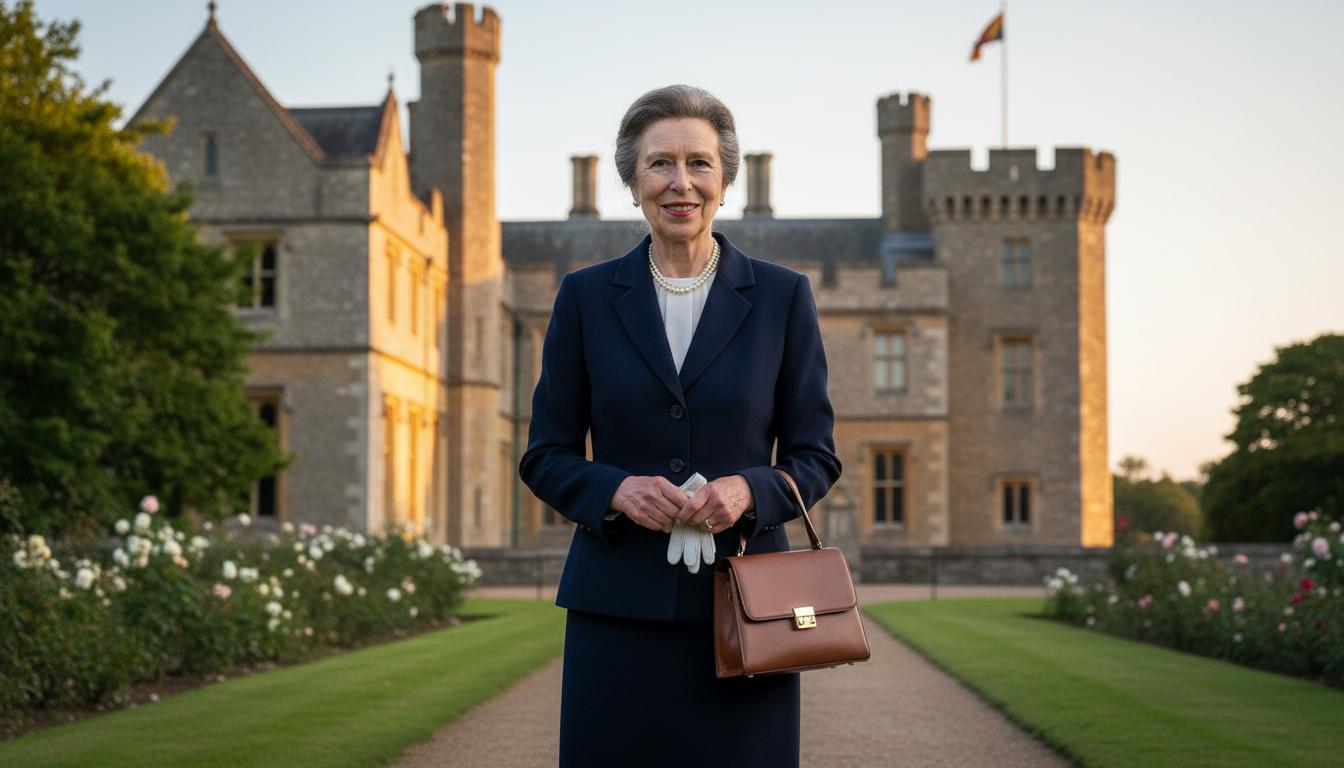
Princess Anne is one of the most recognisable figures in the modern monarchy. She is also one of the busiest. For New Zealanders who follow the Crown’s role at home and abroad, her record of service, ties to the Commonwealth, and plain‑spoken style make her stand out. This guide cuts through the noise: what the title “Princess Royal” means, what princess anne actually does day to day, how her work connects to Aotearoa New Zealand, and how you can engage with the causes she champions.
Expect clear answers, practical context, and examples that show why princess anne continues to be a steady presence in public life.
What is
Princess Anne, The Princess Royal, is the second child and only daughter of Queen Elizabeth II and Prince Philip, Duke of Edinburgh. Born on 15 August 1950, she grew up at the centre of the Royal Family and has spent decades as a senior working royal. In 1987, her mother granted her the title “Princess Royal,” a historic honour reserved for the sovereign’s eldest daughter.
Beyond the title, princess anne built a reputation on work rather than celebrity. She carried out hundreds of engagements each year for decades, supports a wide range of charities, and represents the Crown at ceremonies at home and across the Commonwealth. She is also a former Olympian, having competed in equestrian eventing at the 1976 Montreal Games—an achievement that still shapes her patronage of sport and youth programmes.
For New Zealanders, her relevance is practical as much as symbolic. She has visited New Zealand on official tours and for charity work, holds honorary military appointments across Commonwealth forces, and is a familiar face at ANZAC commemorations in the United Kingdom. Her presence often signals continuity, pragmatism, and a focus on service over fanfare.
How it works
“Princess Royal” is not an automatic rank. It is a specific title the reigning monarch may choose to bestow on their eldest daughter. Only one person can hold it at a time, and it is held for life. Princess Anne became The Princess Royal in 1987; no one else can use that title while she is alive.
Day to day, princess anne’s role is shaped by the constitutional monarchy. She does not decide government policy. Instead, she supports national life through public engagements, patronage of charities, and ceremonial duties. In the UK, official costs related to royal duties are met primarily through the Sovereign Grant and associated funding arrangements. When a member of the Royal Family visits New Zealand in an official capacity, local costs for the New Zealand leg are typically covered by the New Zealand Government, as is standard practice for state and royal visits.
Princess Royal versus “Princess”: what’s the difference?
| Feature | Princess Royal | Princess (general) |
|---|---|---|
| How granted | Bestowed by the monarch | By birth or marriage |
| Eligibility | Eldest daughter of the sovereign | Any daughter, granddaughter, or spouse of a prince |
| How many at once | Only one holder at a time | Multiple |
| Duration | Life | While eligible (may change with marriage or new titles) |
| Precedence | Senior precedence among princesses | Varies by rank and style |
| Relevance to NZ | Represents the Crown on Commonwealth visits and at key commemorations | May also conduct engagements, depending on role |
Types / examples
Princess anne’s work spans many fields. What follows are the main areas you’ll see in the news—and why they matter in a New Zealand context.
Humanitarian and child welfare
- Longstanding leadership with Save the Children, moving from President to Patron after 2017.
- Focus on disaster relief, vaccination, education, and child protection—issues that resonate across the Pacific.
Sport and youth development
- Former Olympic equestrian; advocates for fair play, access, and athlete welfare.
- Supports programmes that connect young people with sport, mentoring, and life skills—useful models for community groups in Aotearoa.
Health, carers, and disability inclusion
- Patronage of charities that back unpaid carers and disability access.
- Regular visits to hospitals, hospices, and research centres highlight frontline work rather than ribbon‑cutting.
Defence, veterans, and remembrance
- Honorary military roles across Commonwealth services and frequent attendance at remembrance events.
- ANZAC Day services in London keep New Zealand and Australia at the forefront of UK commemorations.
Maritime and rural life
- Engagements with maritime safety, seafaring communities, and nautical charities.
- Support for rural enterprises, agricultural shows, and resilience in remote communities—familiar themes for regional New Zealand.
Public diplomacy
- Represents the Crown abroad at ceremonies, funerals, and state commemorations where continuity and protocol matter.
- Known for detailed briefings and unscripted conversations that keep visits substantive.
Pros and cons
Not everyone agrees on the value of royalty in a modern democracy. Weighing princess anne’s role helps clarify the debate.
Pros
- Continuity: A constant presence across decades of political change.
- Work ethic: Frequently cited as among the hardest‑working royals, with focus on under‑reported causes.
- Low‑drama approach: Keeps attention on organisations rather than on herself.
- Commonwealth connections: Adds visibility to New Zealand commemorations and charities on the UK stage.
Cons
- Hereditary privilege: Public roles gained by birth, not election.
- Cost and transparency: Ongoing debate about value for money and who funds which aspects of royal travel.
- Relevance: Some question whether monarchy aligns with contemporary New Zealand identity and future constitutional choices.
How to use or choose
If you want to engage with the work associated with princess anne—from following official visits to supporting aligned causes—use a simple, practical approach.
Step‑by‑step: engage from New Zealand
- Check official sources first: For visits, look to the Governor‑General’s website, the Department of Internal Affairs, and the Royal Family’s official channels for confirmed schedules.
- Verify event details locally: Councils, museums, and charities will post public access information and any security or protocol notes.
- Support aligned charities: Choose New Zealand organisations that mirror princess anne’s focus areas—child welfare, carers, veterans, disability access, sport, maritime safety, or rural resilience.
- Do a quick credibility check: Look for NZ Charity Services registration, clear impact reports, and transparent finances before donating.
- Be event‑ready: If attending a royal walkabout, arrive early, follow instructions from organisers, and keep personal items minimal for security screening.
- Share responsibly: If you post photos or stories, prioritise the work of the hosting organisation so the spotlight stays on local impact.
Choosing causes that reflect her priorities
- Children and young people: Programmes that improve literacy, inclusion in sport, or access to healthcare.
- Carers and disability: Services that provide respite, mobility support, or employment pathways.
- Veterans: Mental health, housing, and transition‑to‑work initiatives.
- Maritime and rural: Water safety education, coastguard support, farm safety, and regional development.
FAQ
Who is princess anne?
Princess Anne is The Princess Royal, the only daughter of Queen Elizabeth II and Prince Philip. She is a senior working royal known for a heavy schedule of engagements and long‑term charity patronage.
What does “Princess Royal” mean?
It is a special title the monarch may grant to their eldest daughter. Only one person can hold it at a time, and it is held for life. Princess Anne received the title in 1987.
Is princess anne in the line of succession?
Yes, but changes to succession over decades and the births of younger generations have moved her further down the line. The title “Princess Royal” does not change succession rights.
Has princess anne visited New Zealand?
Yes. She has visited on official tours and for charity engagements. Details of any upcoming visits are announced by the New Zealand Government and the Royal Household.
What charities is she most associated with?
Princess Anne has a long association with Save the Children and supports a wide range of organisations in areas such as carers, disability inclusion, sport, maritime safety, and veterans’ welfare.
Was princess anne an Olympian?
Yes. She competed for Great Britain in equestrian eventing at the 1976 Montreal Olympics, reflecting her strong equestrian background.
How does her work connect to New Zealand?
Through Commonwealth ties, ANZAC commemorations, and support for causes shared with New Zealand—such as youth sport, coastguard and water safety, rural communities, and veteran support.
Who pays for royal visits to New Zealand?
For official visits, costs related to the New Zealand leg are typically met by the New Zealand Government, similar to other state and royal visits. Travel and other costs can be shared depending on the programme.
Why is princess anne often called the hardest‑working royal?
Because she consistently undertakes a large number of annual engagements and prioritises long‑term relationships with charities and institutions, often away from the cameras.
A quick profile of service
Princess anne’s public life can be summed up in a few anchors: duty, continuity, and detail. She prepares thoroughly, prefers substance over spectacle, and returns to the same organisations year after year to see projects through. For New Zealanders who value steady work and practical outcomes, that approach will feel familiar.
Whether you follow royal news closely or mainly care about how support reaches communities, understanding how The Princess Royal operates helps you cut through ceremony and focus on what changes on the ground. That is where princess anne has always put her energy—and where New Zealanders can make the most of the connection.