
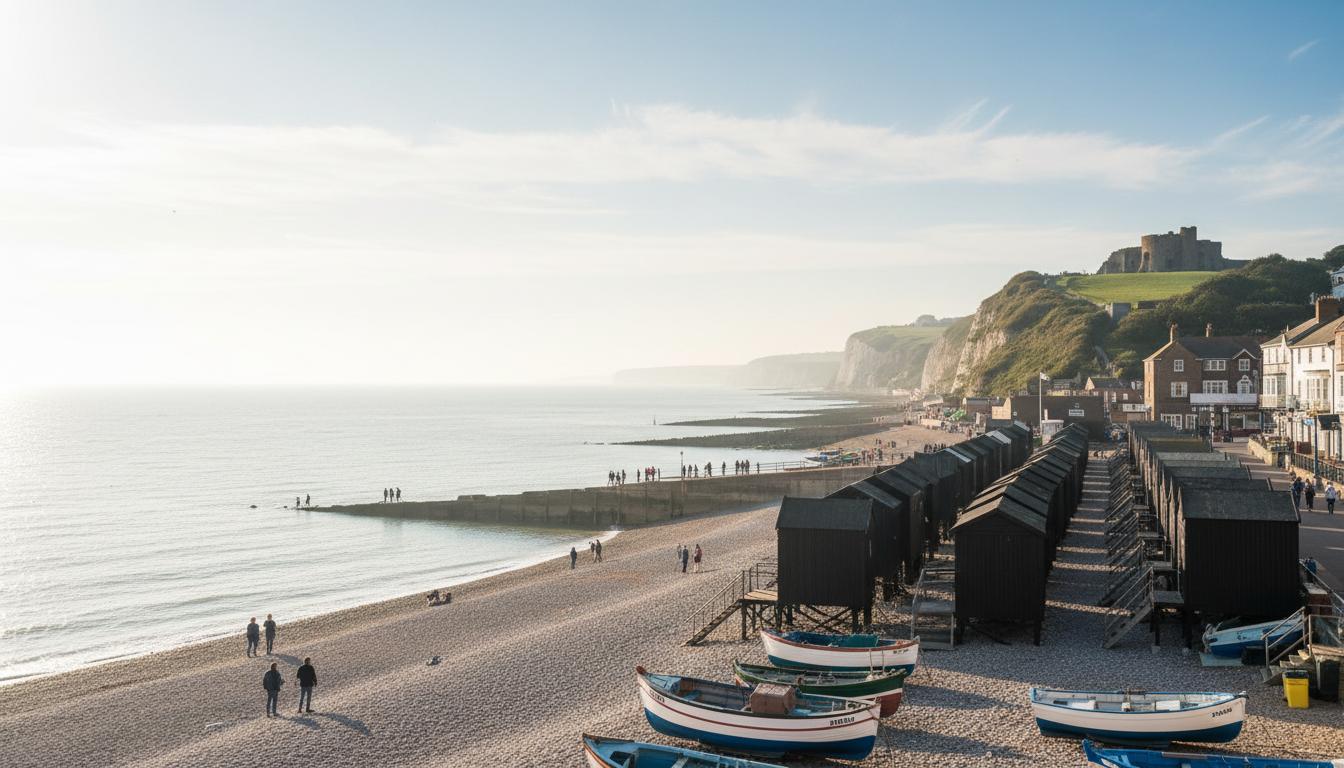
If you’ve ever typed weather hastings into your phone before heading out, you already know the day can flip from sun-soaked to southerly in a snap. This guide breaks down the Hastings climate, why forecasts here behave the way they do, how to read them like a local, and when the region really shines. You’ll get seasonal examples, a handy comparison with nearby towns, and step-by-step planning advice for work, farming, and weekends.
What is
When people say weather hastings, they mean the daily and seasonal conditions across Hastings and the wider Heretaunga Plains in Hawke’s Bay. The city sits inland from the Pacific, sheltered by the Kaweka and Ruahine Ranges to the west and northwest. That geography matters. It creates a warm, sunny, and relatively dry climate with hot summer afternoons, cool winter mornings, and frequent sea breezes. Compared with coastal Napier, Hastings tends to be a little hotter in summer, a bit cooler overnight in winter, and more prone to inland frost.
For New Zealanders, this adds up to a friendly climate for orchards, vineyards, and outdoor life—punctuated by the occasional punchy rain event driven by easterlies or ex-tropical systems.
How it works
Forecasts for Hastings draw on New Zealand’s official sources—MetService (warnings and public forecasts) and NIWA (research, climate records)—plus global weather models like ECMWF and GFS. The trick is how those big-picture patterns play out over Hawke’s Bay’s terrain.
- Föhn effect: Nor’westers spill over the ranges, warming and drying the air. Hastings often turns hot and parched under these winds.
- Sea breeze: On summer afternoons an easterly drifts in from the coast, cooling the plains a notch—less so than right on the shore.
- Rain shadow: The ranges block a lot of moisture from westerly systems, keeping totals lower than on the windward side of the North Island.
- Southerly changes: Fronts push up the east coast, dropping temperatures quickly and bringing showers, wind, and a sharp wind-chill.
- Microclimates: Frost hollows on the plains cool faster overnight than the urban core or gentle slopes near Havelock North.
Put simply: regional patterns set the stage, but local geography decides the final act. That’s why two suburbs can feel different on the same day.
Types / examples
Summer (Dec–Feb)
Long, bright days, often topping the mid to high 20s. Nor’westers can lift temperatures quickly and dry soils fast. Sea breezes temper the heat later in the day, especially nearer the coast. Rainfall is sporadic; drought risk builds after a few lean weeks. Thunderstorms are less common than inland North Island but can flare on humid days.
Autumn (Mar–May)
Settled spells dominate. Warm afternoons linger through March; nights cool by April. Morning fog sometimes settles over the plains and lifts mid-morning. Rain usually arrives with easterlies or slow-moving lows. It’s harvest time for apples and grapes, so reliable daily forecasts matter.
Winter (Jun–Aug)
Crisp, frosty mornings are common inland. Daytime highs often sit in the low to mid-teens. Southerly fronts bring bursts of rain and a bitey wind. Snow is typical on the ranges, rare on the plains. Calm, sunny days between fronts feel mild in the sun but cold in the shade.
Spring (Sep–Nov)
Changeable and breezy. Nor’westers return, with quick swings between warm sunshine and passing showers as fronts march through. Late frosts can still nip low-lying areas in September. Growth kicks off; pollen and allergies can spike on windy days.
Hastings vs nearby towns: typical climate differences
The figures below are indicative ranges for the urban areas. Local microclimates will vary.
| Location | Typical summer highs (°C) | Typical winter overnight lows (°C) | Annual rainfall (mm) | Sunshine hours | Frost frequency |
|---|---|---|---|---|---|
| Hastings (city) | 24–28 | 2–5 | 700–900 | ~2,000–2,300 | Moderate (more on open plains) |
| Napier (coast) | 23–26 | 5–7 | 650–850 | ~2,100–2,300 | Low (coastal moderation) |
| Havelock North (foothills) | 24–27 | 3–6 | 800–1,000 | ~2,000–2,200 | Low to moderate (varies by slope) |
In short: Hastings runs warmer by day than Napier in summer, colder at night in winter, and sits in the middle for rainfall across the plains-to-foothills gradient.
Pros and cons
Pros
- High sunshine and generally dry seasons make outdoor plans easier.
- Warm summers with reliable sea breezes feel less muggy than many North Island spots.
- Mild winters by global standards; snow stays on the ranges.
- Great growing climate for orchards and vineyards; long ripening season.
Cons
- Summer dryness can escalate to drought; water restrictions are common after long rain gaps.
- Inland frost risk in winter and spring is a real issue for growers.
- When big easterly systems or ex-tropical cyclones arrive, heavy rain and flooding are possible.
- Spring winds can be persistent, lifting fire danger and allergy symptoms.
- UV levels are high across NZ; sunburn risk is year-round on clear days.
How to use or choose
Plan your day with weather hastings like a local
- Search weather hastings or open the MetService app and bookmark Hastings and your nearest suburb if available.
- Scan the hourly forecast for temperature, wind shifts, and rain timing over the next 12–24 hours.
- Open rain radar to see if showers are building offshore or sliding down from the ranges.
- Check Watches/Warnings for Hawke’s Bay—these change fast with fronts and ex-tropical systems.
- Look at wind and UV for the time you’ll be outside; adjust layers and sun protection.
- If you’re heading to the coast (Waimārama, Ocean Beach), check marine and tide info as coastal wind can differ from the plains.
- For frost or heat-sensitive work, compare a couple of sources (MetService, NIWA, your local station) to spot microclimate differences.
What to look for in a Hastings-friendly weather app
- NZ-specific warnings (MetService is the official warning authority).
- Reliable rain radar and satellite loops.
- Hourly forecasts with wind gusts and “feels like” temperature.
- UV index and pollen info in spring.
- Widgets or alerts for frost, strong wind, or heavy rain.
Tips for growers, tradies, and event planners
- Frost management: Watch dew point and overnight winds; calm, clear nights after a southerly are the classic frost setup.
- Irrigation: Track soil moisture and evapotranspiration from NIWA or MetService Rural to avoid over-watering during nor’westers.
- Spray windows: Use hourly wind and humidity; spring nor’westers can wreck coverage.
- Wind safety: For scaffolds, marquees, and staging, plan around gust peaks—not just average wind.
- Heavy rain: When an easterly low is on the cards, clear gutters and drains, review access routes, and allow buffer time.
Reading Hastings patterns at a glance
- Fast warm-up by late morning on clear summer days; sea breeze often easterly mid to late afternoon.
- Southerly change day: temperature drops, cloud lifts to showers, wind turns sharp—layer up.
- Foggy morning on the plains after a calm, clear night; usually gone by mid-morning.
- Spring: gusty nor’westers, quick fronts, big day-to-day swings—keep plans flexible.
FAQ
Is Hastings drier than Napier?
They’re both dry by New Zealand standards. Hastings is slightly inland and sits in the ranges’ rain shadow, so annual totals are often similar to or a touch higher than Napier’s, but the difference is small year to year. The foothills near Havelock North can be wetter than the city.
When is the best time to visit for settled weather?
Late summer and early autumn (February to April) bring warm days, cooler nights, and many settled spells. Spring is great too, but windier and more changeable.
Does it snow in Hastings?
Snow is very rare on the plains. You’ll see it on the Kaweka and Ruahine Ranges in winter and during cold snaps. In town, frosts are far more likely than snow.
Why does Hastings feel hotter than Napier in summer?
Being inland reduces the coast’s moderating effect. On light-wind days, the plains heat quickly. Napier’s sea breeze kicks in earlier and stronger, shaving a degree or two off peak temperatures.
How windy is Hastings?
It’s breezy in spring with frequent nor’westers and the odd strong southerly change. Summer afternoons often have a moderate easterly sea breeze. Winter brings calmer spells between fronts.
Is heavy rain a risk?
Yes—mainly with easterly lows or ex-tropical cyclones that feed moisture onshore. These can cause flooding, slips, and road closures. Monitor MetService warnings and Hawke’s Bay Civil Defence updates when those systems approach.
How accurate are 10-day forecasts here?
Day 1–3 is usually dependable on timing and temperature. Day 4–7 gives a good trend. Beyond a week, treat details as guidance only, especially for wind and rainfall timing.
What should I wear or pack?
In summer: light layers, hat, sunscreen, and a windproof top for the sea breeze. In winter: warm layers for frosty mornings, plus a rain jacket for southerly days. Year-round: sunglasses—UV is high even in winter sun.
Are fogs common?
On the open plains, yes—after calm, clear nights, especially in autumn and winter. Fog is patchier in town and near the foothills, and it usually lifts by mid to late morning.
Where can I see live weather for Hastings?
Use MetService for official forecasts, warnings, and radar. NIWA provides climate and research tools. Community weather station networks can add hyper-local readings—handy for frost-prone spots.
Is searching weather hastings enough for planning?
It’s a good start. For outdoor work, add rain radar and the wind forecast. If a heavy rain watch or strong wind warning appears for Hawke’s Bay, build in contingencies.
How it works (in practice): a quick checklist
When the forecast looks marginal, this is a simple way to make a call.
- Open the hourly forecast for Hastings and note temperature, wind direction, and rain windows.
- Play the radar loop. If rain bands are thin and breaking up before the plains, odds favour only light showers.
- Check gusts: if nor’westers push over 60 km/h, expect drying conditions and wind-sensitive delays.
- Scan warnings. A watch means “possible,” a warning means “happening or imminent.”
- Look at nearby points (Napier, Havelock North). If coastal wind is strong easterly while Hastings is still calm, the sea breeze is on its way.
- Decide and brief the team—layers, sun protection, or postpone if needed.
Bottom line
Hastings enjoys a warm, sunny, and mostly dry climate shaped by the plains, the ranges, and the nearby coast. Once you know how nor’westers, sea breezes, and southerly changes play out, the daily forecast becomes a powerful planning tool. Keep an eye on radar and warnings, and that quick search for weather hastings will take you from guesswork to good timing—season after season.